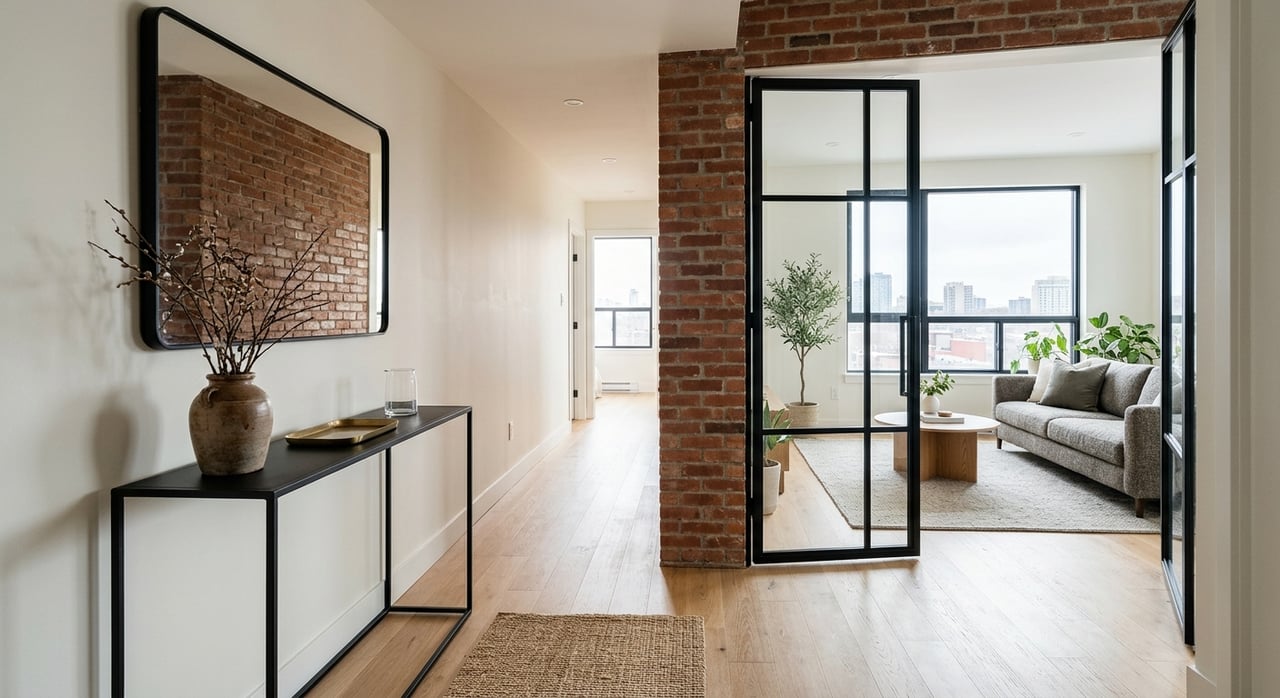
Spring can be a great moment to sell a Charlestown condo, but it is also the season when buyers compare everything quickly. In a neighborhood where homes can move fast, your first impression matters. If you are thinking about listing this spring, a smart prep plan can help your condo feel brighter, more functional, and easier to say yes to. Let’s dive in.
Why spring prep matters in Charlestown
Charlestown is Boston’s oldest neighborhood, with a housing mix that includes historic row houses, converted buildings, and newer waterfront condominiums. That mix shapes buyer expectations. Many spring buyers are looking for low-maintenance urban living, efficient layouts, preserved character, and everyday convenience.
As of March 2026, Realtor.com classified Charlestown as a seller’s market, with a median 13 days on market and a 97% sale-to-list ratio. That does not guarantee a fast or easy sale. It does mean presentation, pricing, and launch timing can have an outsized impact from day one.
Focus on updates buyers notice
For most Charlestown condos, the best pre-sale improvements are cosmetic, not major renovations. Buyers tend to respond to spaces that feel clean, bright, and easy to move into. In compact urban homes especially, small visual issues can stand out more than sellers expect.
Start with the basics:
- Fresh neutral paint
- Deep cleaning throughout the unit
- Decluttering surfaces, closets, and storage areas
- Bright light bulbs or simple fixture updates
- Tight caulk and grout in kitchens and baths
- Straightened or updated cabinet hardware
- Window treatments that maximize natural light
These updates help rooms feel larger and more usable in photos and in person. They also support the kind of polished, move-in-ready presentation that tends to perform well in Charlestown’s condo market.
Keep improvements practical
You do not need to personalize the home for every possible buyer. In most cases, the goal is to remove distractions and let the space itself lead. Clean finishes, a consistent look, and a calm visual palette usually do more for resale than expensive custom work.
If your condo has original character details, make sure they are visible and well maintained. If it is a newer unit, emphasize clean lines, easy flow, and low-maintenance living. The right prep depends on the property, but the common thread is clarity.
Stage for scale, flow, and daily life
Staging a Charlestown condo is not about filling every corner. It is about helping buyers understand how the space lives. In smaller homes, oversized furniture or too many accessories can make rooms feel tighter than they are.
A better strategy is to stage each room with one clear purpose. One seating area is usually enough in the living room. Bedrooms should feel restful and proportionate. Dining areas, entry zones, and office nooks should look intentional rather than improvised.
Show how the condo works every day
Because Charlestown includes many working-age residents and households seeking convenience, practical function matters. Buyers often want to see where coats and shoes go, how a workspace fits, and whether the layout supports daily routines. Even small spaces can feel efficient when traffic flow is clear.
A few staging priorities usually help:
- Create a defined workspace if the layout allows
- Keep entry areas tidy and useful
- Make storage visible, not stuffed
- Remove extra furniture to widen walkways
- Use rugs and lighting to define areas without crowding them
This kind of staging helps buyers picture themselves living there, not just touring it.
Highlight light, views, and outdoor access
Charlestown’s appeal often includes more than the condo itself. The neighborhood is known for landmarks such as the Navy Yard, Bunker Hill Monument, harbor areas, marinas, and walkable urban amenities. If your unit connects to any of that visually or spatially, make it part of the story.
If you have a balcony, roof-deck access, harbor-facing windows, or a sightline toward the Navy Yard, keep those areas open and unobstructed. View corridors should be easy to see in listing photos and at showings. Outdoor spaces should feel usable, even if they are compact.
Let natural light do the work
Pull back heavy window treatments where appropriate. Clean windows thoroughly. Arrange furniture so it does not block the best light or outlooks. In many condos, light and openness can do as much heavy lifting as square footage.
Gather condo documents before launch
One of the easiest ways to lose momentum is to wait too long on paperwork. Condo buyers often move quickly from interest to due diligence, and being organized early can reduce stress later. A smoother document process also helps support confident negotiations.
For a Massachusetts condo sale, it is wise to gather core association and ownership documents before listing. Based on Massachusetts condo guidance and Boston closing guidance, that may include:
- Master deed
- By-laws and amendments
- Rules and regulations
- Minute book
- Financial records
- Contracts for services
- Insurance policies and master insurance
- 6(d) certificate or resale packet
If your building management company or condo association is slow to respond, start this process earlier than you think you need to. Delays here can create avoidable friction once you have an interested buyer.
Check lead paperwork and permits early
Massachusetts does not require a general seller property condition disclosure. However, lead-paint notification rules still apply to residential property built before 1978. If your condo is in an older building, confirming that paperwork early is a smart step.
If you have done work in the unit, check Boston’s Permit Finder and make sure any permit applications are fully closed out before listing. The city advises owners to verify permit closure and notes that some projects may need additional approvals or a Record of Occupancy if one is missing. Open permits can raise questions at exactly the wrong time.
Review past work with a buyer’s lens
Think through any renovations, repairs, or improvements completed during your ownership. If there are invoices, approvals, or close-out records, keep them together. Buyers appreciate clear documentation, especially in older buildings where renovation history can affect confidence.
Should you get a pre-listing inspection?
A pre-listing inspection is not mandatory, but it can be useful in the right situation. In Massachusetts, inspection waiver rules limit conditioning acceptance on an inspection waiver in certain residential sales. That makes a seller-side inspection less about avoiding buyer inspections and more about identifying issues before they become negotiation points.
For a Charlestown condo, a pre-listing inspection can be particularly helpful if the home is in an older building or if you suspect deferred maintenance. The goal is to surface concerns early, while you still have time to decide whether to repair, disclose, or price around them.
What to review before listing
Common focus areas may include:
- Signs of water intrusion
- Aging windows
- HVAC performance or maintenance issues
- Visible deferred maintenance
You may not need to fix every item. But knowing what is there helps you make a more informed launch strategy.
Time your spring launch carefully
Spring is popular for a reason, but not every spring week works the same in Charlestown. If you want the strongest early momentum, timing matters. In a fast-moving market, the first open houses should feel easy for buyers to attend.
A practical strategy is to aim for your first major open houses in the quieter early-spring window. If your listing campaign stretches into June, be aware of local scheduling pressure tied to Bunker Hill Day and other neighborhood events. Boston lists Bunker Hill Day on June 17, 2026, and the neighborhood often sees a dense cluster of related activities around that time.
Avoid unnecessary scheduling friction
If you list later in the season, choose quieter weekend windows when possible. Parade week or heavy event weekends may bring energy to the neighborhood, but they can also affect traffic, parking, and showing patterns. Unless your marketing plan is intentionally built around that activity, quieter timing is often easier for buyers.
Build a launch plan, not just a listing date
A successful spring sale usually comes from coordination, not last-minute effort. Paint, cleaning, staging, photography, paperwork, permit review, and scheduling all work better when they are sequenced. That is especially true in a condo, where building rules and document requests can affect timing.
A thoughtful launch plan often looks like this:
- Walk the condo with a critical eye
- Choose high-impact cosmetic updates
- Declutter and simplify room layouts
- Gather condo documents and records
- Check lead paperwork if applicable
- Confirm permit close-out status for prior work
- Decide whether a pre-listing inspection makes sense
- Schedule photography and open houses around the neighborhood calendar
This is where methodical planning can protect value. When the condo looks right and the paperwork is ready, buyers can focus on the home instead of the loose ends.
If you are preparing to sell in Charlestown, a well-managed spring launch can help you present the property with confidence and reduce surprises along the way. For tailored advice on pricing, prep, staging coordination, and timing, schedule a private strategy session with Michelle Roloff.
FAQs
What cosmetic updates are worth doing before selling a Charlestown condo?
- The most effective updates are usually fresh neutral paint, deep cleaning, decluttering, brighter lighting, tightened caulk and grout, aligned hardware, and window treatments that let in more light.
What condo documents should you gather before listing a Charlestown condo?
- Sellers should gather core documents such as the master deed, by-laws and amendments, rules and regulations, minute book, financial records, service contracts, insurance records, master insurance, and the 6(d) certificate or resale packet.
Should you get a pre-listing inspection for a Charlestown condo sale?
- A pre-listing inspection can be helpful if you want to identify issues like water intrusion, aging windows, HVAC concerns, or deferred maintenance before they affect negotiations.
What permit issues should you check before selling a Boston condo?
- If prior work was done in the unit, check Boston’s Permit Finder and confirm any permit applications are closed out before listing.
When should you schedule spring open houses in Charlestown?
- Early spring is often the simplest window for major open houses, while June can be busier due to Bunker Hill Day and other neighborhood events that may affect traffic and attendance.