Wondering whether a Back Bay condo can give you the city lifestyle you want without the upkeep you do not? If you are trying to balance historic charm, daily convenience, and predictable ownership demands, Back Bay elevator buildings deserve a close look. The right building can simplify everything from winter parking to package delivery, but the details vary more than many buyers expect. Let’s dive in.
Why Back Bay appeals to low-maintenance buyers
Back Bay offers a rare mix of historic character and modern convenience in the middle of Boston. The neighborhood includes landmark streets and destinations such as Newbury Street, Boylston Street, Commonwealth Avenue, the Prudential Center, Trinity Church, and the Boston Public Library.
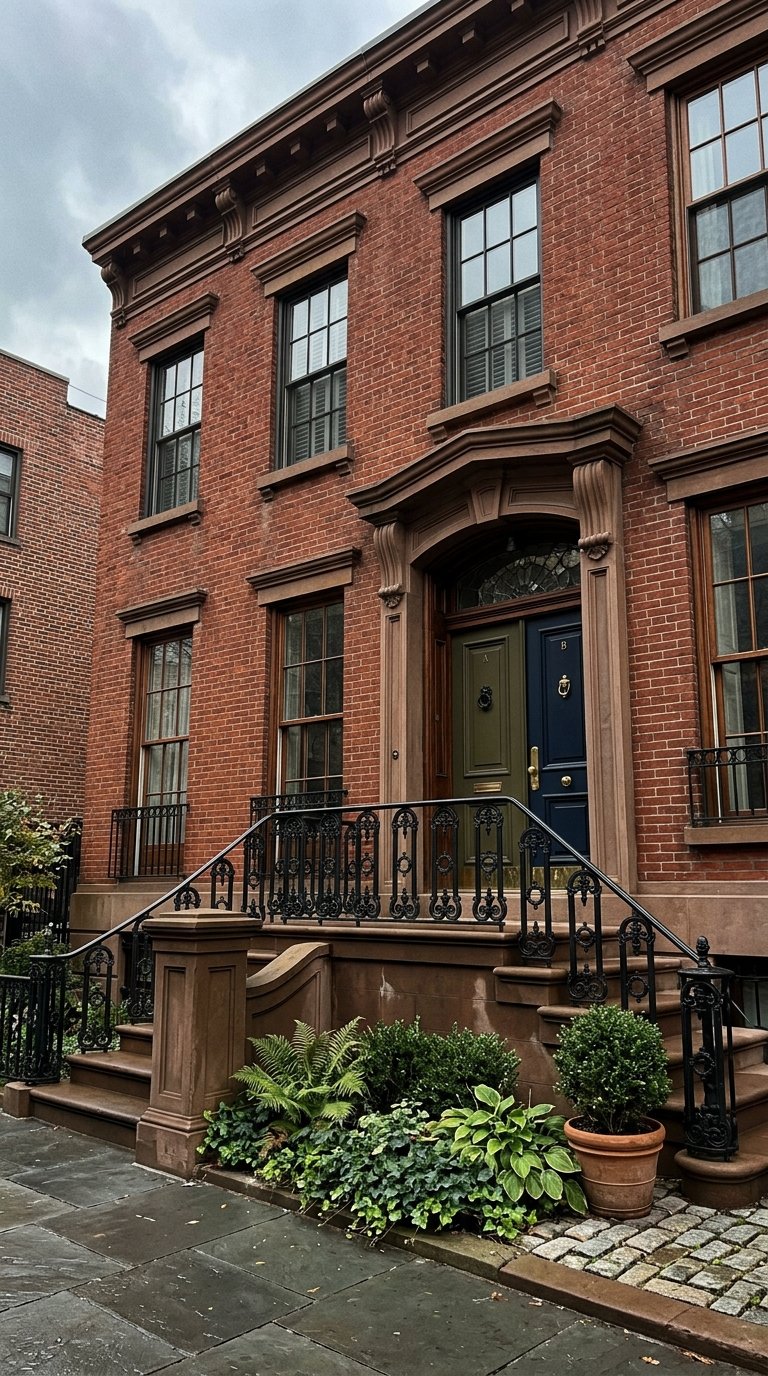
It is also an officially protected historic district. The Back Bay Architectural District was established in 1966 and later expanded, and proposed exterior work must go through Back Bay Architectural Commission review before work begins. For you as a buyer, that matters because building style, renovation flexibility, and long-term upkeep can look different here than in other Boston neighborhoods.
In practical terms, Back Bay elevator inventory often falls into two broad categories. You will usually be comparing historic conversions with more limited shared amenities, or newer luxury towers with more staff and a deeper amenity package.
What “low-maintenance” really means
Low-maintenance living is not just about having an elevator. In Back Bay, it usually means choosing a building where day-to-day tasks are reduced through staffing, shared services, and easier access.
For many buyers, the biggest quality-of-life features include:
- Elevator access
- Concierge or doorman service
- Garage parking
- Package handling
- Fitness space
- Roof deck or terrace access
- Resident lounges or club rooms
- Extra storage
- On-site maintenance or superintendent support
If you travel often, work long hours, or are downsizing from a larger home, these features can remove a lot of friction from daily life. They can also make the building easier to lock and leave.
Back Bay elevator buildings by type
Full-service luxury towers
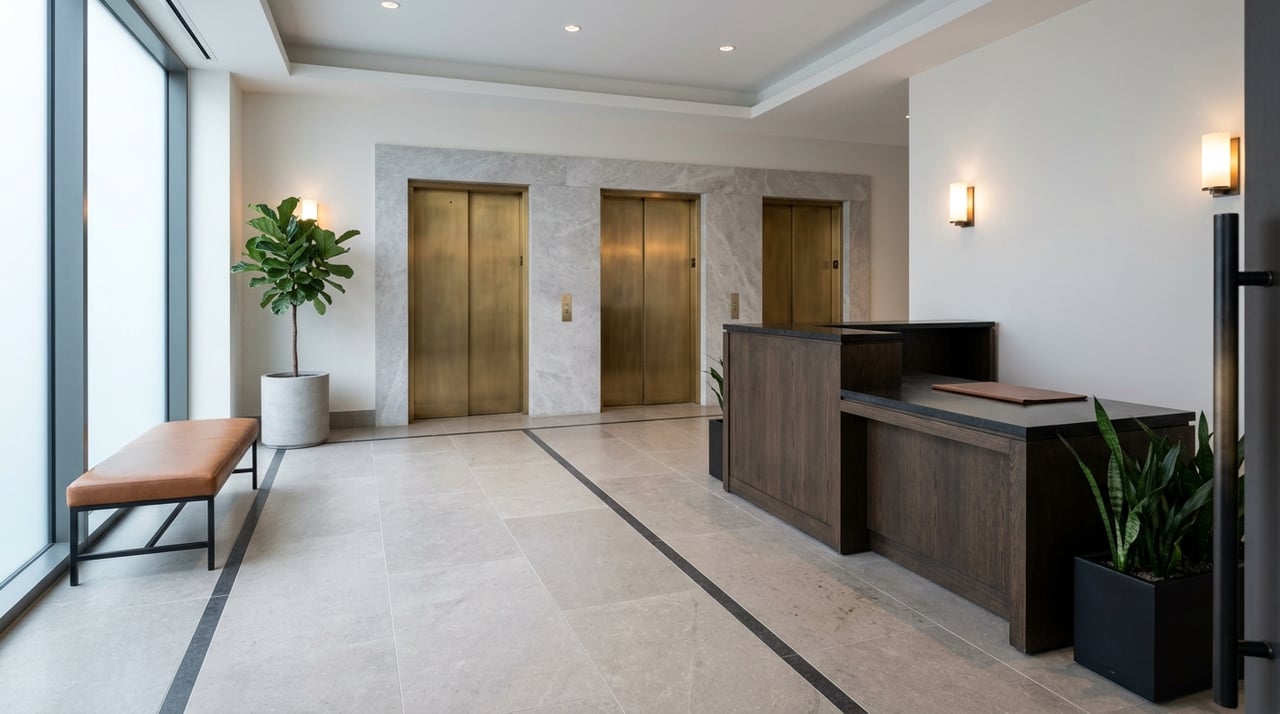
At the high-service end of the market, buildings tend to offer 24-hour staffing, garage parking, fitness access, and more extensive shared spaces. These properties often feel closer to a hotel-style residence, with a stronger emphasis on convenience and on-site support.
The Clarendon at 400 Stuart Street is a clear example. Current materials describe 24-hour concierge service, garage parking, an Equinox health club, a large roof deck, and a library.
One Dalton represents the more modern end of the spectrum. Its residential amenities include a private lobby and members’ club, residents lounge, children’s playroom and pantry, golf simulator and bar, private dining, private cinema, media room with balcony, residents fitness, a wellness floor, and 24-hour concierge service.
These towers can be especially attractive if you want newer systems, stronger staffing coverage, and an amenity-rich lifestyle under one roof. The tradeoff is that the monthly carrying cost is often higher.
Mid-size full-service buildings
Some buyers want strong service without living in a supertall tower. In Back Bay, mid-size full-service buildings can offer a useful middle ground.
One Charles is a strong example. It is described as a full-service mixed-use condominium with concierge services, doorman, fitness center, residents’ library, function room, and parking, with current listing materials also noting 24/7 concierge, a club room, on-site fitness center, and garage parking.
The Belvedere is another standout for convenience. It offers 24/7 concierge and doorman service, underground garage parking with valet or self-parking, room service, a library, a dining room and kitchen for private parties, and a rooftop terrace.
330 Beacon also fits this category, with 24-hour concierge, a live-in superintendent, direct-access garage parking, a fitness center, a clubroom, and storage. If your goal is a polished, easy routine without the scale of a newer mega-tower, this category is often worth close attention.
Boutique historic conversions
If you care more about architectural character and a quieter feel, boutique conversions may be the better match. These buildings often preserve older details while still offering elevator access and a focused set of convenience features.
The Prince on Newbury is a 19th-century school conversion with concierge services, elevator access, a roof terrace, and parking. The Marlborough is a 19th-century apartment-building conversion with concierge services, a roof terrace, a fitness center, and an on-site superintendent.
333 Commonwealth, originally built around 1895 as the Hotel Lafayette, is another notable elevator building. It offers part-time concierge service and a common roof deck.
These buildings can be a strong fit if you want historic charm and a more intimate environment. The tradeoff is that staffing hours and amenity depth are often lighter than in larger full-service properties.
The amenities that matter most
Not every amenity has the same impact on your day-to-day life. In Back Bay, a few features tend to matter more than others when your goal is a genuinely easy ownership experience.
Concierge and staffing
A staffed lobby can do more than create a polished first impression. Depending on the building, it may help with package acceptance, guest access, security, and general logistics.
That said, not all elevator buildings are fully serviced. Some offer 24-hour concierge coverage, while others may have part-time concierge service or only limited staffing.
Garage parking
Parking is one of the most practical amenities in Back Bay. Boston notes that resident parking restrictions are designed to give residents preferential access to on-street spaces, that only a small number of visitor spaces exist, and that most parking spaces are reserved for residents.
The city also removed 125 parking meters in Back Bay in March 2024, converting most to resident permit parking or time-limited parking. If you drive regularly, want a simpler winter routine, or value predictable access, garage parking is often a major quality-of-life feature rather than an extra.
Roof decks and shared spaces
A roof deck, terrace, library, or club room can extend your usable living space without adding maintenance inside your unit. In many Back Bay buildings, these areas create a more complete lifestyle while shifting upkeep to the association.
Most roof decks in these buildings are shared rather than private. Private roof decks are more commonly tied to penthouse-level residences.
Fitness and wellness features
On-site fitness space can be a real convenience, especially if you value efficiency in your daily routine. Some buildings keep it simple with a fitness room, while others offer a more layered wellness experience.
For example, The Clarendon includes access to an Equinox health club, while One Dalton highlights residents fitness and a wellness floor. If this is important to you, ask not just whether a fitness space exists, but how robust it really is.
Condo fees and ownership costs
One of the biggest questions buyers ask is whether elevator buildings are worth the monthly cost. In Back Bay, the answer depends on what the fee includes and how much you value the convenience it supports.
Under Massachusetts condominium law, condo associations handle common-area expenses, reserve funds, maintenance and repair obligations, insurance, and unit-owner assessments. That means monthly fees are often shaped less by the elevator alone and more by the building’s staffing, utilities, insurance, reserves, and amenity maintenance.
Current listing examples show a wide range. Recent Back Bay listings include about $1,517 per month at The Prince on Newbury, about $1,272 per month at 333 Commonwealth, $2,136 at The Clarendon, $2,168.80 at 330 Beacon, and $10,973 at a 100 Beacon penthouse.
Some fees may include items such as heat, gas, water, sewer, insurance, security, maintenance, snow removal, trash, air conditioning, and reserve funds. The important point is not just the number itself. It is whether the services covered by that fee match the lifestyle you want.
Historic district rules and what to expect
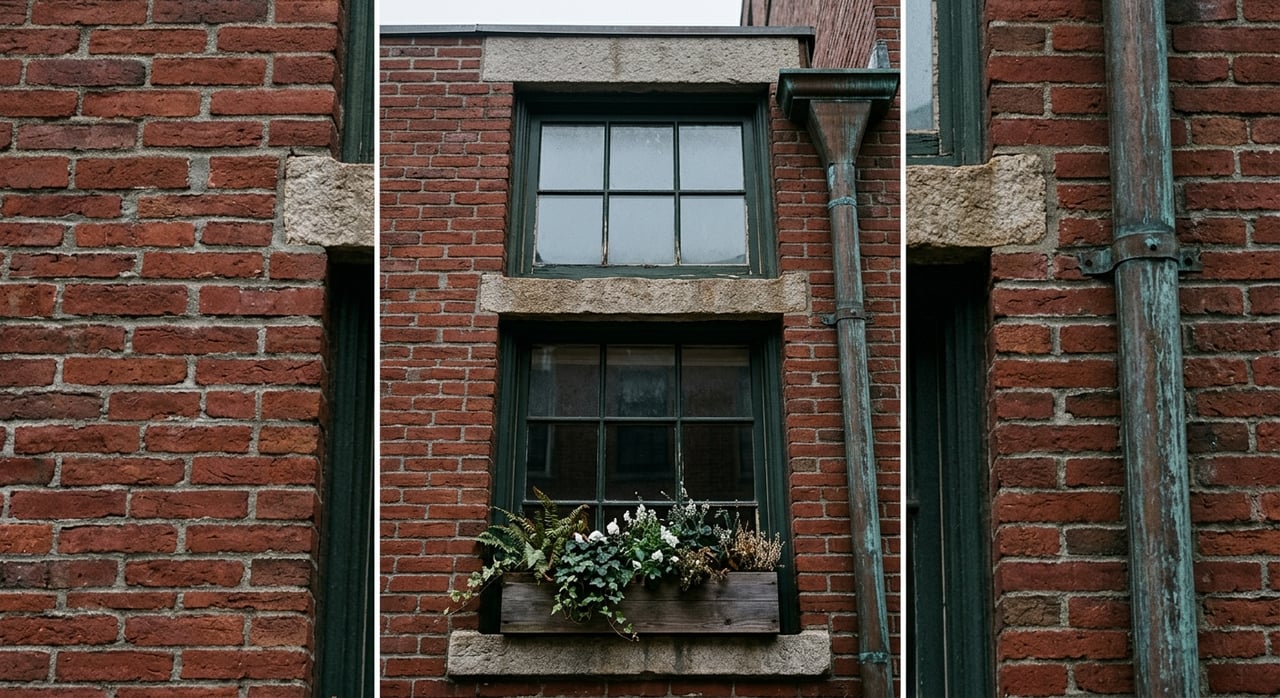
Back Bay’s historic-district protections are part of what makes the neighborhood so appealing, but they also shape ownership decisions. If you buy in an older building, exterior work such as façade changes, window work, additions, and roof alterations may require review by the Back Bay Architectural Commission before work begins.
For some buyers, that added process feels restrictive. For others, it is part of the value proposition because it helps preserve the visual character that makes Back Bay distinctive.
If you are comparing buildings, this is one area where a practical, building-specific review matters. Two properties can offer a similar location and price point but very different future flexibility.
How to compare Back Bay buildings smartly
If you want a low-maintenance home, compare buildings through the lens of daily living rather than just square footage or finishes. The most useful questions usually focus on operations, access, and recurring costs.
Here is a practical checklist to use:
- Are concierge or doorman services available, and if so, what are the hours?
- Is parking deeded, valet, self-park, or not included?
- Does the building have a live-in superintendent or on-site maintenance support?
- Is the roof deck private to a unit or shared by residents?
- What storage comes with the unit?
- Which utilities are included in the condo fee?
- How extensive is the fitness space?
- Does the building feel more like a hotel-style residence or a quieter historic conversion?
A methodical comparison can save you from overpaying for amenities you will not use, or underestimating the value of services that will matter every week.
Which type of building fits you best?
If you want maximum convenience, newer or more fully staffed towers may be the best fit. They tend to offer more complete service, stronger staffing coverage, and a broader amenity package.
If you want a balance of service and scale, a mid-size full-service building may hit the sweet spot. You may still get concierge support, parking, fitness access, and shared spaces without the feel of a very large tower.
If your priority is architectural character and a more intimate setting, boutique conversions can be compelling. You may give up some staffing and amenity depth, but gain a more historic and distinctive living environment.
In Back Bay, there is rarely a single “best” option. The right choice is the one that aligns with how you live, how often you travel, whether you drive, and how much support you want built into the property itself.
If you want help comparing Back Bay elevator buildings through both a lifestyle and financial lens, Michelle Roloff can help you narrow the field and build a strategy around what matters most to you.
FAQs
Are all Back Bay elevator buildings full-service?
- No. Some offer 24-hour concierge, doorman service, and extensive amenities, while others have part-time concierge service and a smaller shared amenity package.
Is garage parking included with Back Bay elevator condos?
- Not always. Some units include deeded parking, some buildings offer valet or self-parking, and some units do not come with parking.
Do Back Bay condo fees include utilities?
- Sometimes. Depending on the building, fees may include items such as heat, gas, water, sewer, insurance, security, maintenance, snow removal, trash, air conditioning, and reserve funds.
Are roof decks in Back Bay elevator buildings private?
- Usually they are shared common amenities. Private roof decks are more often associated with penthouse-level homes.
Do historic district rules affect Back Bay condo owners?
- Yes. In the Back Bay Architectural District, proposed exterior work must go through review before it begins, which can affect planning for items like windows, façades, roof changes, and additions.
What should you compare when choosing a Back Bay elevator building?
- Focus on staffing hours, parking type, storage, utility inclusions, roof deck setup, fitness offerings, and whether the building operates more like a hotel-style residence or a boutique historic conversion.