Buying a North End condo can feel simple on the surface. You find a unit you love, review the monthly fee, and decide whether the numbers work. But in one of Boston’s oldest residential neighborhoods, the real story often sits inside the condo association documents, not just inside the unit itself. If you want to evaluate a purchase with an investor’s discipline, you need to know how to read the budget, reserves, minutes, and project history with a sharper eye. Let’s dive in.
Why the association matters in the North End
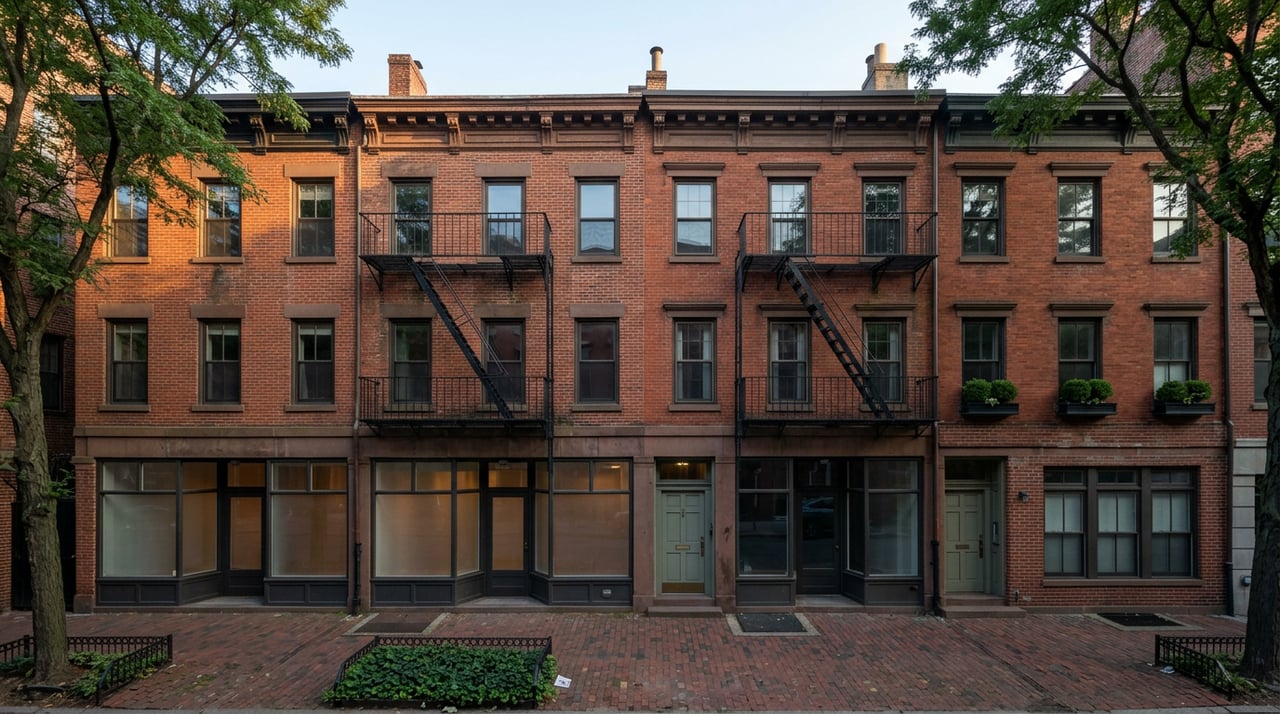
In the North End, the association often carries more risk than buyers expect. Boston Planning describes the neighborhood as Boston’s oldest residential community, with historic brick apartment buildings and harbor exposure on two sides. That combination can push more cost and uncertainty into shared systems like roofs, masonry, waterproofing, drainage, and mechanical infrastructure.
That matters because when shared systems need work, the cost usually does not stay abstract for long. It can show up through higher condo fees, special assessments, insurance costs, or project delays. If you read the association like an investor, you are really asking one core question: Is this building planning ahead, or reacting late?
Start with the annual budget
The annual budget is the association’s operating plan. Under Massachusetts law, common expense assessments must be made at least annually based on an annual budget. So when you review a condo package, the budget should help you understand how the building covers routine operations and known upcoming needs.
A low monthly fee may look attractive, but low dues are not always a sign of strength. In older North End buildings, artificially low fees can mean the association is underfunding maintenance or postponing needed work. A stronger budget usually tells a more complete story about real operating costs.
What a solid budget should show
When you read the budget, look for signs that the association is funding the basics consistently:
- Routine operating expenses are clearly listed
- Reserve contributions appear as a distinct line item
- The budget aligns with the building’s age and condition
- Known projects are acknowledged instead of ignored
- Fee levels make sense relative to the building’s upkeep needs
Fannie Mae and Freddie Mac project review standards often look for reserve funding around 10% of the budget. Freddie Mac also states that special assessments cannot be used instead of that reserve line. While lender standards are not the same as Massachusetts law, they are useful because they reflect how institutional reviewers think about project stability.
Check reserves like you are underwriting risk
Reserve funding is one of the clearest health checks in any condo association. Massachusetts requires an adequate reserve fund that is separate and segregated from operating funds. The association must also maintain reserve records and bank statements and make them available for inspection.
That means your question should not just be, “Do reserves exist?” It should be, “Are reserves credible relative to the building’s likely capital needs?” In a historic North End property, that is a very different standard than simply seeing money in an account.
Why reserve quality matters
A reserve balance only helps if it matches the building’s reality. In the North End, older masonry structures, waterfront exposure, and building-envelope wear can create periodic bursts of major expense. If reserves are thin, owners may end up facing a special assessment when a roof, facade, drainage system, or waterproofing issue moves from manageable to urgent.
A stronger association usually has a reserve strategy that fits the building’s condition. A weaker one often relies on optimism, short-term fixes, or future assessments.
Review delinquencies before they become your problem
Delinquency rates can reveal stress before the building shows obvious physical decline. Fannie Mae flags projects where more than 15% of units are 60 or more days delinquent on common charges or special assessments. That threshold matters because unpaid fees reduce the association’s ability to fund operations and capital work.
In practical terms, delinquencies can create a chain reaction. If enough owners fall behind, the association may delay maintenance, draw down reserves, or increase pressure for new assessments. For a buyer, that can affect both monthly carrying cost and future resale marketability.
Read minutes for patterns, not just headlines
Meeting minutes are often where the real story lives. Massachusetts law requires associations to keep financial records, reserve-fund records, contracts, current insurance policies, audits or reviews, and the minute book. Unit owners can inspect those records during regular business hours, and minutes, to the extent they exist, must be made available by email on request.
Instead of scanning for one dramatic issue, look for repeated themes. Investor-style review is less about one isolated complaint and more about whether the same problem keeps resurfacing without a lasting solution.
Red flags to watch in minutes and reports
Pay close attention to repeated references to:
- Water intrusion n- Waterproofing
- Foundation issues
- Balconies or exterior elements
- Stairwells or elevators
- Parking structures
- Electrical system concerns
- Mechanical inspection issues
- Deferred maintenance
- Emergency repairs
Fannie Mae and Freddie Mac both treat these types of repair conditions as possible threats to a project’s safety, soundness, or marketability. In a North End building, even a short note about recurring leaks or facade work can carry bigger implications because the building stock is older and projects may be more complex.
Treat planned projects as future cost events
A planned capital project is not just a maintenance note. It is a future cash event that may affect your ownership cost, financing, or timing. If the board mentions exterior work, roof replacement, waterproofing, drainage upgrades, or common-area improvements, you should assume the project deserves a closer look.
Under Massachusetts law, if 75% or more of unit owners approve an improvement to the common areas and facilities, the cost can be assessed to all unit owners as a common expense. So even if a project sounds optional at first, it may still become a real cost obligation.
Questions to ask about special assessments
If there is a current or planned special assessment, ask for these core facts:
- What is the purpose of the assessment?
- What total amount was approved?
- How much remains unpaid?
- What is the payoff schedule?
Freddie Mac identifies those items as key facts lenders review. If the answers are vague, incomplete, or inconsistent with the minutes and budget, that mismatch deserves attention.
Know the North End-specific risk factors
The North End has a distinctive risk profile because of its setting and building stock. Boston notes that the city is among the most vulnerable in the country to flooding, and that sea level rise and more intense precipitation are increasing both coastal and inland flood risk. Boston’s coastal resilience planning specifically includes a Downtown/North End plan completed in 2020.
For condo buyers, that does not automatically mean every building faces the same exposure. It does mean flood-related costs may appear in practical ways, such as insurance, pumps, drainage improvements, mechanical protection, or future retrofit work. In an association review, those costs may already be visible in budgets, minutes, or project discussions.
Historic review can affect cost and timing
The North End’s historic context can also shape the pace and price of capital work. Boston’s Landmarks Commission states that exterior, and in some cases interior, changes to designated landmarks and properties in local historic districts are reviewed through a design review process. In practical terms, projects involving facades, windows, rooflines, and similar exterior elements may take longer and cost more than comparable work in a non-historic setting.
That means timing matters almost as much as price. If a building needs envelope work and also faces review constraints, owners may experience a longer gap between identifying a problem and completing the fix. From an investor lens, delay itself is part of the risk.
Use consistency as your shortcut
One of the best ways to evaluate an association quickly is to look for consistency across the documents. The budget, reserve balance, meeting minutes, insurance information, and special-assessment history should all tell the same story about the building’s condition and future needs.
If they line up, that is usually a good sign. If they do not, start there. For example, if the budget looks lean but the minutes mention repeated water intrusion, or if reserves appear healthy but a large new assessment is financing predictable deferred work, the mismatch may be the biggest clue in the file.
What a stronger association looks like
A stronger North End condo association typically shows a few clear traits:
- An annual budget that reflects real operating needs
- Segregated reserves with clear recordkeeping
- Current financial reporting
- Low delinquency
- Clear minutes and retained records
- A documented plan for upcoming work
- Fewer signs of repeated emergency fixes
For larger Massachusetts condominiums with 50 or more units, an independent CPA review of the financial report is required annually, or at least every two years. For smaller associations, that review is only required if owners vote for it. Massachusetts also requires condominiums with more than 10 units to maintain blanket fidelity insurance equal to at least one-fourth of annual assessments, excluding special assessments. These details will not answer every question, but they can help you gauge how formal and disciplined the association’s oversight appears.
The investor mindset for your condo search
When you buy into a condo, you are not just buying your unit. You are buying into the building’s shared decision-making, maintenance habits, and financial discipline. In the North End, that matters even more because historic construction, harbor exposure, and review constraints can amplify the cost of weak planning.
A beautiful unit can still sit inside a fragile association. The goal is not to find a perfect building. It is to find an association whose documents show realism, transparency, and a credible plan for managing future costs.
If you want a second set of eyes on a North End condo package, Michelle Roloff brings a data-driven, hands-on approach to evaluating Boston properties and helping you make clear, confident decisions.
FAQs
What should you review in a North End condo association budget?
- You should review operating expenses, reserve contributions, fee levels, and whether the budget acknowledges known upcoming work, since Massachusetts requires common expense assessments to be based on an annual budget.
Why do condo reserves matter when buying in the North End?
- Reserves matter because Massachusetts requires an adequate reserve fund separate from operating funds, and older North End buildings may face larger shared costs tied to masonry, waterproofing, roofs, or drainage.
What do condo meeting minutes reveal about a North End building?
- Meeting minutes can reveal recurring issues such as water intrusion, structural concerns, deferred maintenance, and planned capital work, which may point to future cost or financing risk.
How can special assessments affect a North End condo purchase?
- Special assessments can increase your ownership cost significantly, and under Massachusetts law approved common-area improvements can be assessed to unit owners as common expenses.
Why is flood risk relevant for North End condo associations?
- Flood risk is relevant because Boston identifies increasing coastal and inland flood risk, and those conditions may lead to higher insurance costs, drainage work, pump upgrades, or other building-level projects.
Do historic rules affect condo association projects in the North End?
- Yes, exterior and some interior changes to designated landmarks and properties in local historic districts may go through design review, which can affect both project timing and cost.