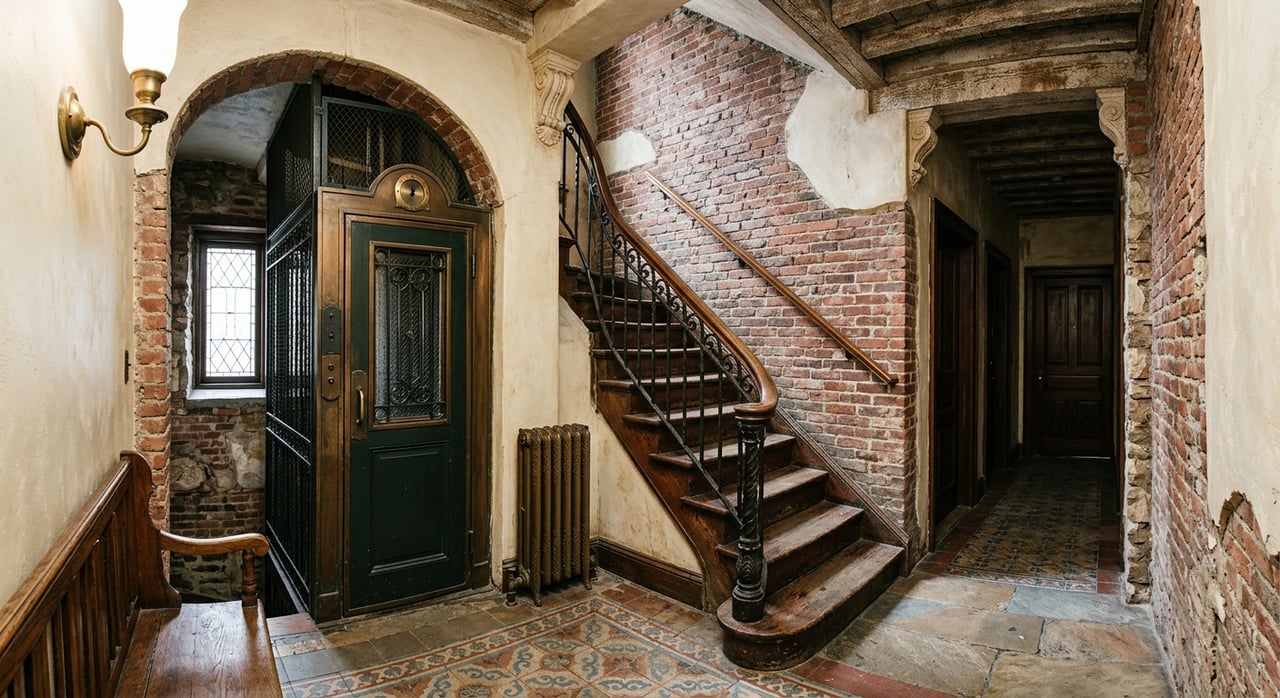
If you are drawn to Boston’s historic condo market, choosing between Beacon Hill and Back Bay can feel surprisingly tricky. Both neighborhoods offer classic architecture, central locations, and a strong sense of place, but they live very differently day to day. This guide breaks down the differences in character, condo stock, pricing, and lifestyle so you can decide which historic Boston neighborhood fits your goals best. Let’s dive in.
Beacon Hill vs. Back Bay at a Glance
Beacon Hill and Back Bay are both historic districts near Downtown Boston and the Public Garden, but they come from different eras of city-building. Beacon Hill is one of Boston’s oldest residential areas, built on one of the city’s last original hills. Back Bay came later as a planned expansion built on filled tidal marshland in the mid-1800s.
That difference still shows up today. Beacon Hill often feels more intimate and residential, while Back Bay tends to feel broader, busier, and more mixed-use. If you want historic Boston charm, both neighborhoods deliver, but the experience of living in each one is not the same.
Historic Character and Streetscape
Beacon Hill feels more intimate
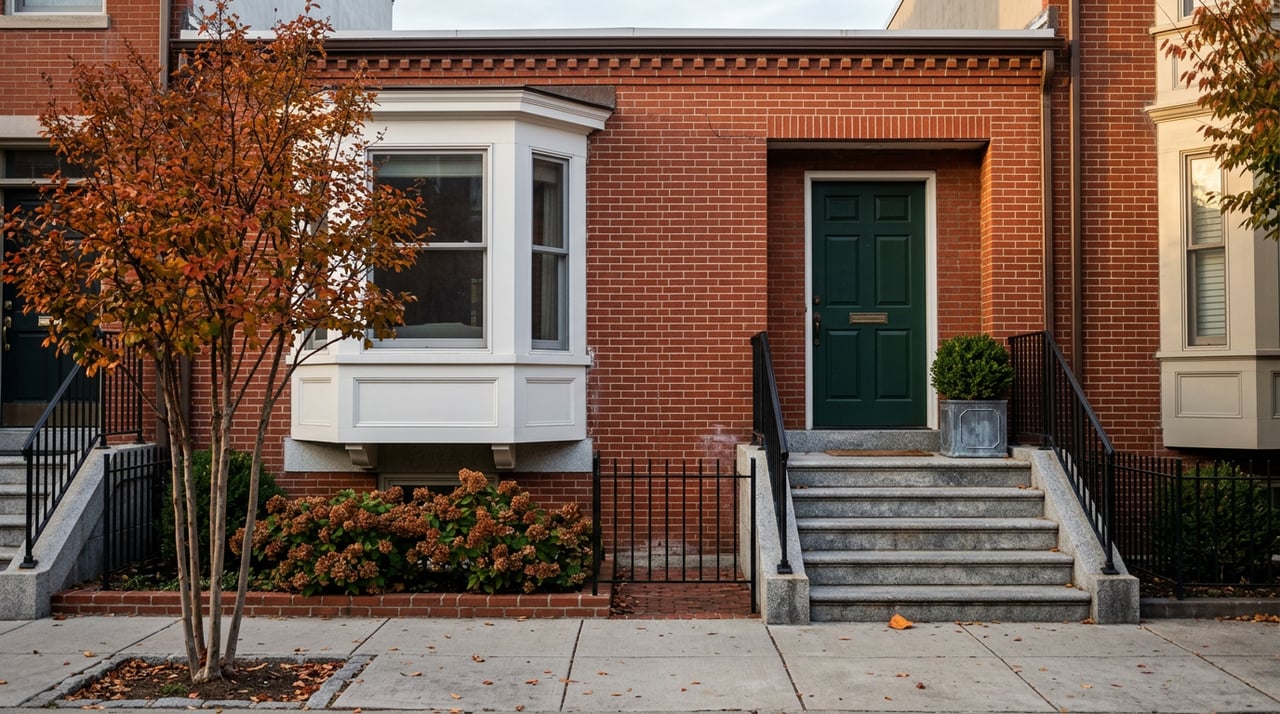
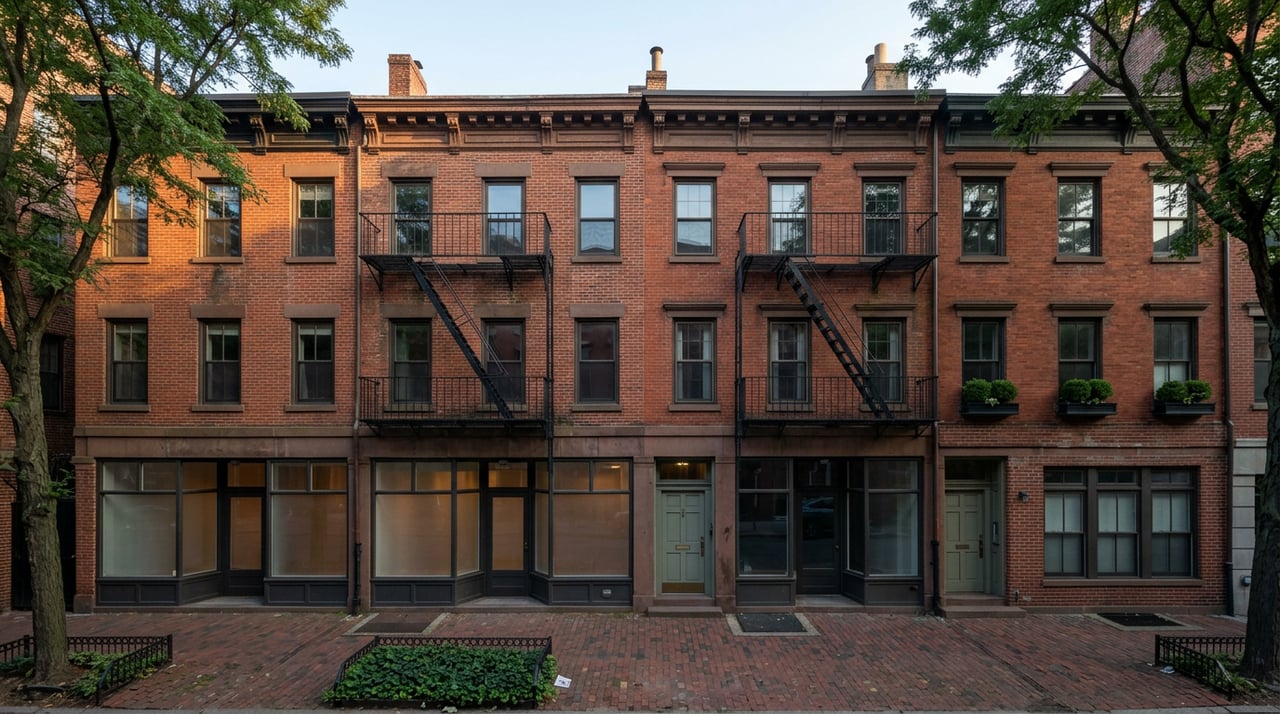
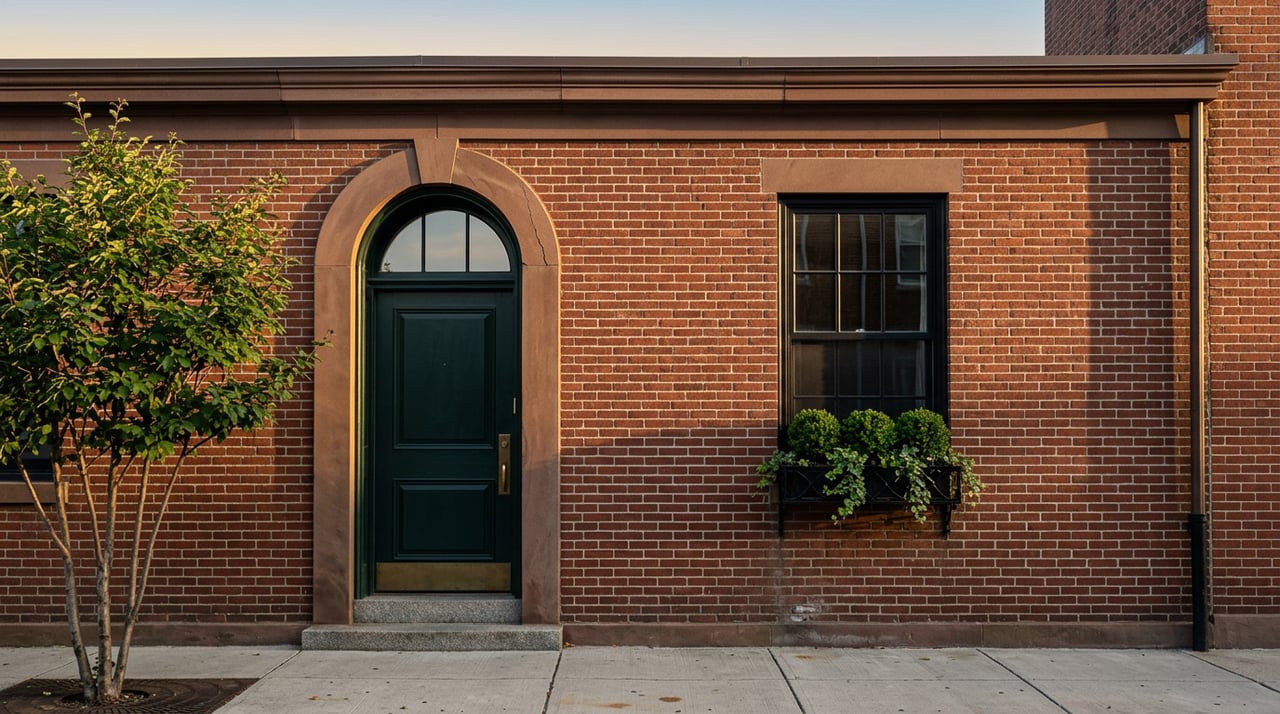
Beacon Hill is known for early-19th-century red brick homes, ornate doors, decorative ironwork, brick sidewalks, and gas lamps. Charles Street adds antique shops, restaurants, and a distinctly old-Boston atmosphere. For many buyers, this is the neighborhood that most closely matches the image they have in mind when they picture historic Boston.
That character comes with a smaller-scale feel. Streets are tighter, buildings often feel more tucked in, and the neighborhood reads as primarily residential. If you want quiet visual charm and a sense of stepping into an older Boston streetscape, Beacon Hill often stands out.
Back Bay feels grander and more active
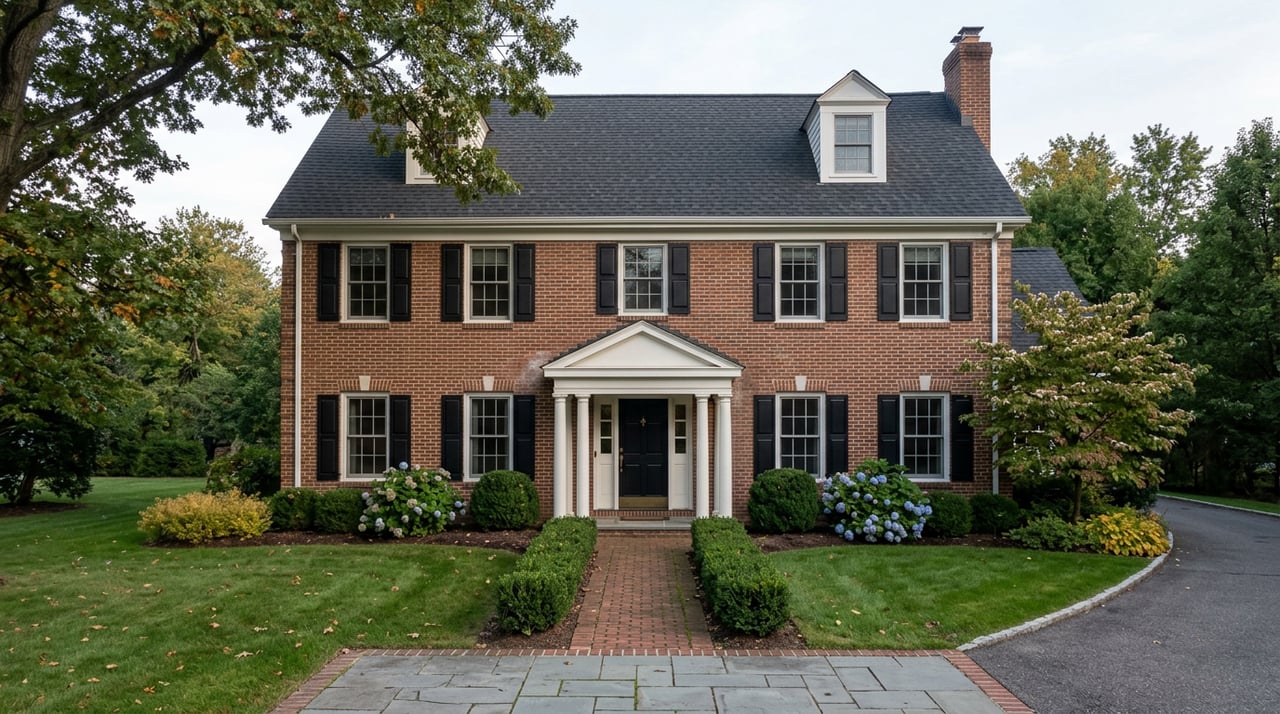
Back Bay is known for stately Victorian row houses, elegant architecture, brick sidewalks, and long residential blocks. At the same time, it also includes major commercial corridors like Newbury Street, Boylston Street, and Commonwealth Avenue. That gives it a more active, urban rhythm than Beacon Hill.
You still get historic architecture, but the setting feels larger and more energetic. Boutiques, restaurants, offices, hotels, and landmarks all shape the day-to-day experience. If you want history with more city buzz, Back Bay may be the stronger fit.
Condo Types and Unit Sizes
Beacon Hill condos often run smaller
Beacon Hill condo inventory tends to skew compact. Current examples in the market range from very small studios, such as 235 square feet and 311 square feet, up to one-bedrooms around 515 to 619 square feet, with larger two-bedroom and luxury homes available as well.
That range matters because Beacon Hill buyers sometimes fall in love with the neighborhood before thinking through space needs. Larger and trophy-level homes do exist, including expansive luxury units, but many buyers should expect a smaller footprint relative to price. If efficient living and old-world charm matter more to you than square footage, that tradeoff may feel worthwhile.
Back Bay offers a broader condo mix
Back Bay also has small studios, including examples around 175 and 320 square feet, but the overall mix appears broader. Current listings include one-bedrooms around 710 square feet, large penthouses, and multi-bedroom luxury condos exceeding 2,000 or even 4,000 square feet.
Just as important, Back Bay listings more often highlight elevator-served buildings and direct elevator access. That can be a major practical advantage for buyers who want easier everyday mobility, less stair use, or a more full-service building setup. In many searches, this becomes one of the clearest differences between the two neighborhoods.
Historic Rules and Renovation Limits
Both Beacon Hill and Back Bay are protected historic districts, and that affects what you can change after you buy. In Beacon Hill, exterior work visible from a public way is subject to review, and the guidelines state that new facade openings are not allowed. In Back Bay, exterior changes also require commission approval, and condo and multi-owner buildings are treated as a whole for exterior uniformity.
For buyers, the takeaway is simple. Historic charm comes with real limits on exterior changes, including certain work involving windows, doors, facades, and some rooftop elements. If renovation flexibility is high on your list, you will want to understand these rules early, before you fall in love with a unit based on future plans that may not be allowed.
Pricing and Inventory Differences
Beacon Hill has a lower median listing price
Current condo data shows 62 condos for sale in Beacon Hill with a median listing price of $1.17 million. Back Bay shows 128 condos for sale with a median listing price of $1.59 million. That points to two immediate differences: Back Bay currently offers more inventory, and it also commands a higher median price.
Broader neighborhood sale data follows the same pattern. In March 2026, Beacon Hill posted a median sale price of $1.16 million and $1.33K per square foot, while Back Bay posted a median sale price of $1.434 million and $1.45K per square foot. Those numbers cover all home types, not just condos, but they reinforce the same premium gap.
Market pace is slightly different
Beacon Hill condos typically stay on market for about 27 days and receive one offer. Back Bay condos typically stay on market for about 38 days and also receive one offer. That suggests Beacon Hill is somewhat tighter, while Back Bay gives buyers a bit more inventory and potentially a little more time to evaluate options.
For a buyer, that distinction can shape your strategy. In Beacon Hill, the smaller pool of available condos may require faster decisions when the right fit appears. In Back Bay, the wider inventory base may allow for a more comparative search, especially if elevator access or a larger layout is a priority.
Walkability, Transit, and Parking
Both neighborhoods support car-light living
On Walk Score and transit metrics, Beacon Hill scores 99 for walkability and 100 for transit. Back Bay scores 97 for walkability, 96 for transit, and 87 for biking. In practical terms, both neighborhoods are excellent if you want to live with little or no dependence on a car.
Beacon Hill edges out Back Bay on walking and transit scores, while Back Bay scores more strongly for biking. If your routine includes frequent bike commuting or easier cycling access, that may push Back Bay slightly ahead for your lifestyle.
Parking is limited in both areas
Parking is constrained in both neighborhoods, and meter pricing reflects that pressure. Boston lists meter rates of $2 per hour in Beacon Hill and $3.75 per hour in Back Bay, with short-turnover meter zones in both. The city notes that Back Bay pricing grew out of a performance-parking pilot intended to reduce congestion and improve availability.
For winter planning, Boston also offers discounted snow-emergency parking at the Boston Common Garage for Beacon Hill residents and at the Prudential Center Garage for Back Bay, Beacon Hill, and South End residents. If you own a car, these details matter more than buyers often expect. Parking cost, convenience, and winter logistics can shape your day-to-day experience as much as the condo itself.
Which Neighborhood Fits Your Priorities?
Choose Beacon Hill for old-Boston charm
Beacon Hill tends to suit buyers who want a stronger sense of old Boston, a more intimate residential setting, and a somewhat lower entry price. It can be especially appealing if you value brick sidewalks, gas lamps, smaller-scale streets, and classic architectural character.
The tradeoffs are important to understand. Condo sizes often run smaller, parking can feel tight, and historic preservation limits may affect future renovation plans. If those factors feel manageable, Beacon Hill may offer the most distinctive historic atmosphere.
Choose Back Bay for flexibility and convenience
Back Bay tends to suit buyers who want historic architecture but more variety in condo layouts and building types. It is often the better fit if elevator access, direct-elevator options, larger floor plans, or a more active urban-commercial setting are high on your list.
You should also expect a higher overall price point. In exchange, you may get more inventory to choose from and a more flexible match for mobility needs or lifestyle preferences. For many buyers, Back Bay offers a balance of history and convenience that is hard to replicate elsewhere in Boston.
A Practical Way to Decide
If you are unsure which neighborhood is right for you, focus on how you actually want to live. Start with a short list: desired square footage, elevator needs, renovation goals, car ownership, and the kind of street energy you enjoy most. Those practical questions usually clarify the choice faster than aesthetics alone.
In simple terms, Beacon Hill is often the better fit if your top priorities are old-world character and a somewhat lower entry price. Back Bay is often the better fit if your top priorities are elevator access, layout flexibility, and a more urban, mixed-use lifestyle. The right choice depends on which tradeoffs feel most comfortable for you.
If you want help comparing specific condos in Beacon Hill and Back Bay, Michelle Roloff can help you evaluate price, building constraints, layout tradeoffs, and day-to-day livability with a clear, data-driven approach.
FAQs
What is the main difference between Beacon Hill and Back Bay for condo buyers?
- Beacon Hill usually offers a more intimate, old-Boston residential feel with smaller-scale condo living, while Back Bay usually offers a broader mix of condos, more elevator options, and a more active urban-commercial setting.
Is Beacon Hill or Back Bay more expensive for Boston condos?
- Current condo data shows a median listing price of $1.17 million in Beacon Hill versus $1.59 million in Back Bay, so Back Bay is currently more expensive on that measure.
Are historic renovation rules stricter in Beacon Hill or Back Bay?
- Both neighborhoods have meaningful historic review requirements for exterior changes, so buyers in either area should expect limits on elements like facades, windows, doors, and some rooftop work.
Which Boston neighborhood has more elevator buildings, Beacon Hill or Back Bay?
- Based on current listing examples, Back Bay more often features elevator-served buildings and direct elevator access, which can be a key advantage for some buyers.
Is parking easier in Beacon Hill or Back Bay?
- Parking is constrained in both neighborhoods, though Boston’s posted meter rates are higher in Back Bay than in Beacon Hill, which reflects heavier parking pressure in that area.
Which neighborhood is better for walkability, Beacon Hill or Back Bay?
- Both are highly walkable and transit-friendly, with Beacon Hill scoring slightly higher for walkability and transit, while Back Bay posts a stronger biking score.