Trying to choose between the South End and South Boston for your next condo? You are not alone. Both neighborhoods offer strong city access, distinct housing stock, and very different day-to-day rhythms. If you are weighing walkability, architecture, pricing, outdoor space, or the feel of your future block, this guide will help you compare the tradeoffs more clearly. Let’s dive in.
South End vs. South Boston at a glance
If you want the shortest version, the South End tends to feel more historic, walkable, and centrally urban, while South Boston often offers more condo choices, somewhat lower entry pricing, and easier access to beaches and waterfront parks.
That said, neither neighborhood is one-note. South End includes both classic rowhouse streets and newer infill projects. South Boston ranges from traditional residential blocks to the much newer waterfront edge, where building style, pricing, and commute patterns can feel very different from one subarea to the next.
Condo prices and inventory
For many buyers, the first question is simple: where does your budget go farther?
Based on February 2026 neighborhood snapshots, the South End is the more expensive condo market overall. Redfin’s South End market data shows a median sale price of about $1.3 million, while South Boston comes in lower. Realtor.com’s South End market snapshot also places South End above South Boston and reports a higher price per square foot in the South End.
For condo-specific inventory, the gap is also meaningful. Redfin’s condo pages for the South End show fewer available condos than South Boston, with South Boston offering more listings at a lower median listing price. In practical terms, that can mean more options to compare in South Boston if you are still refining your wish list.
Here is the big takeaway:
- South End: Higher overall price point and higher price per square foot
- South Boston: More condo inventory and lower neighborhood-wide entry pricing
- Important caveat: South Boston waterfront buildings can price much higher than the neighborhood average
South End architecture and feel
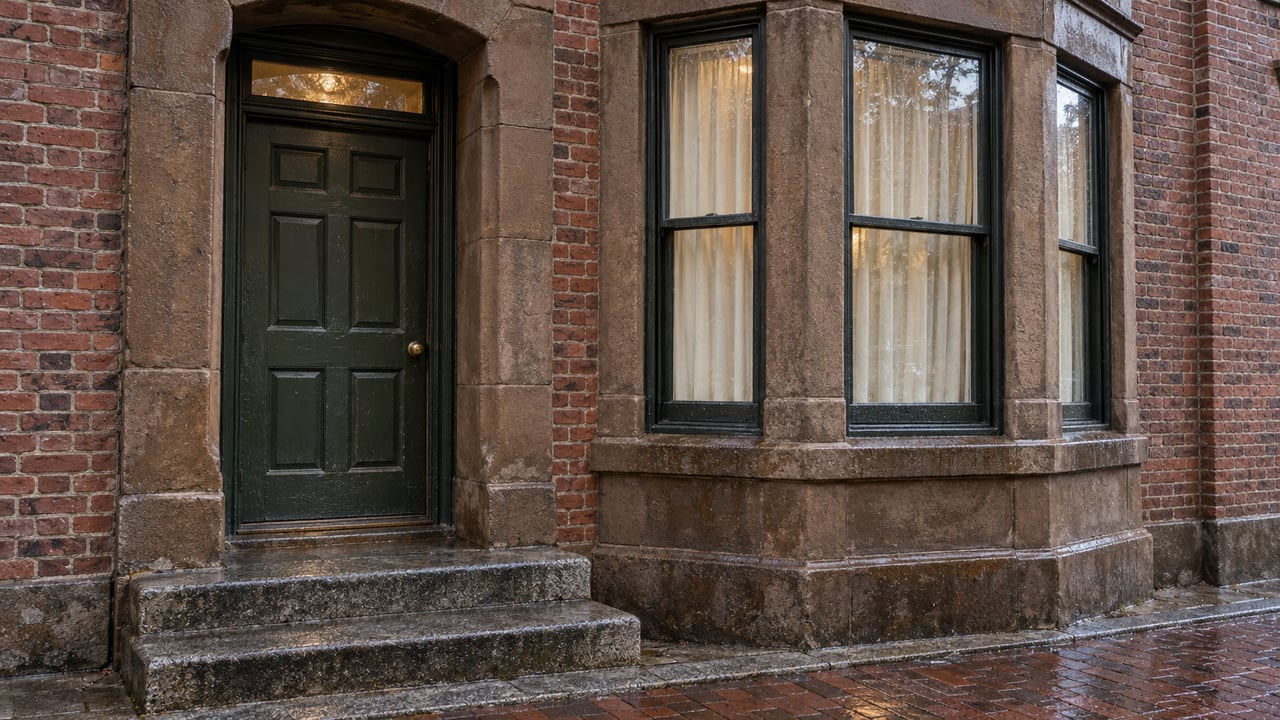
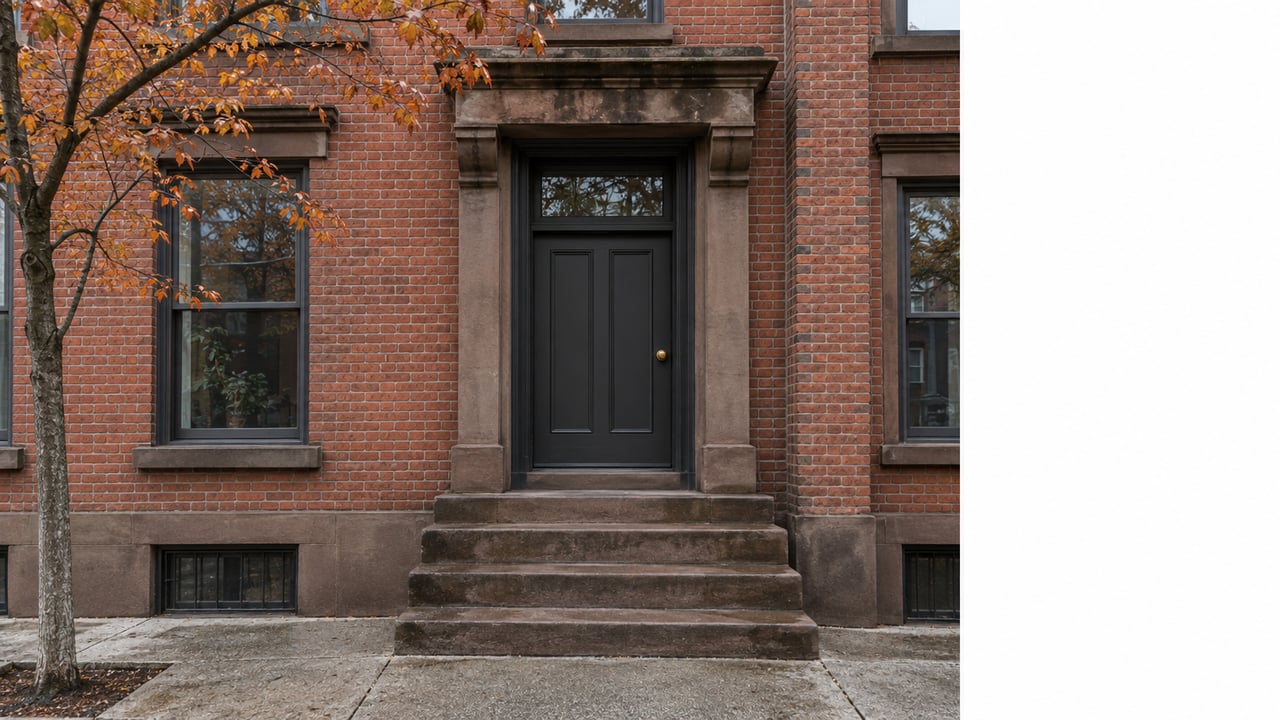
If architecture matters to you, the South End stands apart. According to the Boston Planning & Development Agency neighborhood overview, the South End is the largest Victorian residential district in the United States, shaped by 19th-century red brick rowhouses and small parks.
That historic character is not just visual. The neighborhood’s landmark status means exterior changes are reviewed more closely under the South End Landmark District standards. If you value preservation, cohesive streetscapes, and classic Boston architecture, that can be a major advantage.
It also means the South End may not be the easiest fit if your ideal condo lifestyle centers on highly flexible exterior renovation possibilities. Newer and adaptive-reuse projects do exist, but planning documents note that infill is generally smaller in scale and designed to fit the historic context.
Who often prefers the South End
The South End often fits buyers who want:
- Historic rowhouse character
- A highly walkable routine
- Strong restaurant and arts access
- A central location between Back Bay and Downtown
- A more preservation-oriented streetscape
South Boston architecture and variety
South Boston offers a broader mix of housing types. As the city planning overview of South Boston explains, the neighborhood includes older residential areas with triple-deckers and attached rowhouses, plus the South Boston Waterfront, where larger mixed-use and condo development has expanded the housing landscape.
That variety can be helpful if you want to compare classic and newer condo formats in one broader search area. In some parts of South Boston, you may find smaller-scale residential buildings on traditional neighborhood streets. In the waterfront area, you are more likely to see larger buildings, contemporary design, and mixed-use environments tied to ongoing development.
Projects like Seaport Circle reflect that newer edge of the market. For buyers who want newer construction or a more modern building environment, South Boston often provides more opportunities, especially near the waterfront.
Who often prefers South Boston
South Boston often fits buyers who want:
- More condo selection
- A somewhat lower average entry price
- Access to newer buildings and mixed-use areas
- Waterfront and beach access
- More housing-style variety across subareas
Walkability, transit, and daily routine
Your condo lifestyle is not just about the unit. It is also about how your week actually works.
The South End has a stronger case for a car-light routine. Redfin’s South End data gives it a 97 Walk Score, 93 Transit Score, and 92 Bike Score. City planning documents also note access to the Orange Line, Silver Line, and the Southwest Corridor Path.
That adds up to a neighborhood where errands, dining, transit, and daily movement can feel compact and efficient. The main activity corridors along Tremont, Columbus, and Washington Streets help reinforce that pattern.
South Boston is still transit-oriented, but the experience depends more on exactly where you buy. Planning materials for the South Boston Seaport Strategic Transit Plan highlight Red and Silver Line access, bus connections, bike and pedestrian improvements, and shuttle planning, especially for the Seaport area.
In other words, South Boston can work well for transit users, but block-by-block location matters more. If you are comparing two condos there, the better question may be less about “South Boston vs. South End” and more about “which part of South Boston fits my daily commute best?”
Restaurants, arts, and neighborhood energy
If your ideal Boston lifestyle includes walking to dinner, galleries, or neighborhood shopping, the South End has a distinct advantage. The South End neighborhood overview highlights a concentration of restaurants, bars, galleries, and boutiques along its core corridors.
That concentration gives the South End a strong neighborhood-scale energy. It tends to feel cohesive, polished, and deeply tied to its historic street grid.
South Boston has dining and nightlife too, but it is more spread across areas like East and West Broadway and the waterfront. The lifestyle can feel less centered on one dense urban core and more tied to the specific subarea you choose.
Parks, waterfront, and outdoor space
Outdoor access is one of the clearest lifestyle differences between these neighborhoods.
The South End is known more for pocket parks and linear green space. Its small parks and tree-lined blocks support a neighborhood experience that feels urban but still softened by greenery.
South Boston, by contrast, offers larger recreational spaces and direct waterfront access. The South Boston neighborhood page points to places like Carson Beach, L Street Beach, Pleasure Bay, the Strandway, and Medal of Honor Park.
If your weekends involve long waterfront walks, beach access, or outdoor recreation, South Boston may feel like the better fit. If you prefer a denser city setting with smaller green spaces woven into the street pattern, the South End may feel more natural.
One practical factor: renovation flexibility
Buyers do not always think about renovation constraints until they fall in love with a unit.
In the South End, landmark district standards can limit exterior changes and shape what is feasible from a design and approval standpoint. That does not mean you cannot improve a property. It does mean historic context is a more active part of ownership.
South Boston often offers more flexibility, especially in newer buildings where the design framework is already contemporary. If your long-term plan includes a modernized living experience with fewer historic exterior constraints, South Boston may be easier to navigate.
One practical factor: flood exposure
If you are comparing buildings near the waterfront, climate risk deserves attention too.
City materials note that South Boston’s waterfront has materially higher coastal-flood exposure than the South End, while the South End has more limited coastal exposure until later in the century. This does not make one neighborhood automatically right or wrong, but it is a useful part of building-level due diligence when you compare insurance, location, and long-term ownership costs.
Which condo lifestyle fits you best?
A simple way to decide is to focus on the rhythm you want, not just the listing photos.
Choose the South End if you want classic architecture, a highly walkable daily routine, concentrated dining and arts access, and a neighborhood where historic character shapes the streetscape.
Choose South Boston if you want more inventory, somewhat lower neighborhood-wide pricing, a wider mix of building types, and easier access to beaches, waterfront parks, or newer construction.
If you are deciding between the two, the smartest next step is to compare not just neighborhoods, but specific subareas, building types, and how each option supports your budget, commute, and long-term plans. If you want a data-driven way to narrow the field, Michelle Roloff can help you compare tradeoffs clearly and build a search strategy that fits how you actually want to live.
FAQs
Which neighborhood is usually less expensive for condos, South End or South Boston?
- South Boston is generally less expensive on a neighborhood-wide basis, while South Boston waterfront properties can sometimes price at or above South End levels depending on the building and location.
Which neighborhood has more historic condo character, South End or South Boston?
- South End is more strongly defined by historic Victorian rowhouses and landmark-protected streetscapes.
Which neighborhood is better for a car-light condo lifestyle in Boston?
- South End is typically the stronger fit for a car-light lifestyle because of its very high walk, transit, and bike scores plus its dense street pattern.
Which neighborhood has more new condo development, South End or South Boston?
- South Boston, especially the waterfront, generally has more newer and larger-scale mixed-use and condo development.
Which neighborhood offers better beach and waterfront access, South End or South Boston?
- South Boston offers much stronger direct access to beaches, waterfront parks, and larger recreational open space.
Which neighborhood gives condo buyers more renovation flexibility, South End or South Boston?
- South Boston is often easier for renovation flexibility, while South End exterior changes are more constrained by landmark district standards.