Imagine starting your morning under arching elms on Commonwealth Avenue, grabbing a coffee along Newbury Street’s brownstone storefronts, and ending your day with a sunset walk on the Esplanade. If you are considering a move to Back Bay, you likely want walkability, culture, and daily convenience. In this guide, you will see what a full day here feels like, plus how transit, housing, groceries, and errands actually work. Let’s dive in.
Morning: Comm Ave calm, Newbury Street coffee
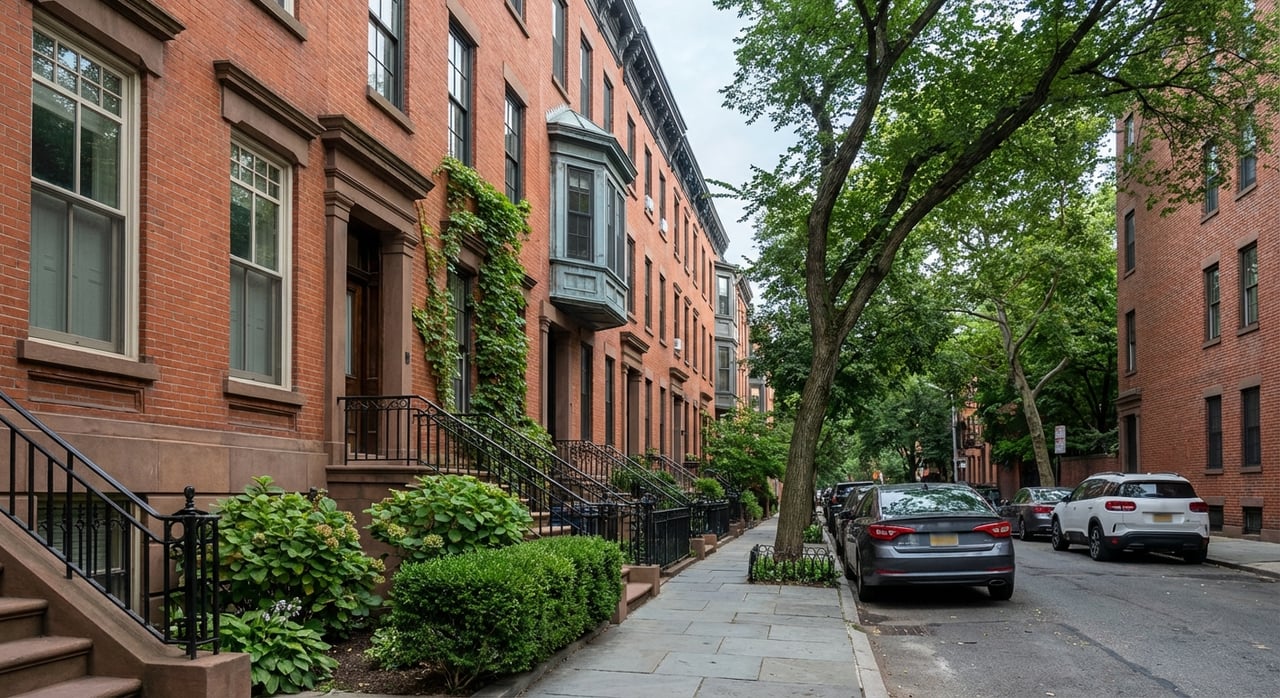
Your day can begin on the tree-lined Commonwealth Avenue Mall, a green ribbon that feels built for quiet jogs, dog walks, and a few deep breaths before work. The blocks are defined by classic brownstones with stoops, ironwork, and steady cornice lines that set an elegant tone. A few minutes away, Newbury Street offers cafés, boutique windows, and galleries tucked into converted rowhouses, with the east end feeling more luxury and the west side mixing brands with independents. You get the rare mix of residential calm and café buzz before 9 a.m. Newbury Street’s retail character makes quick stops simple.
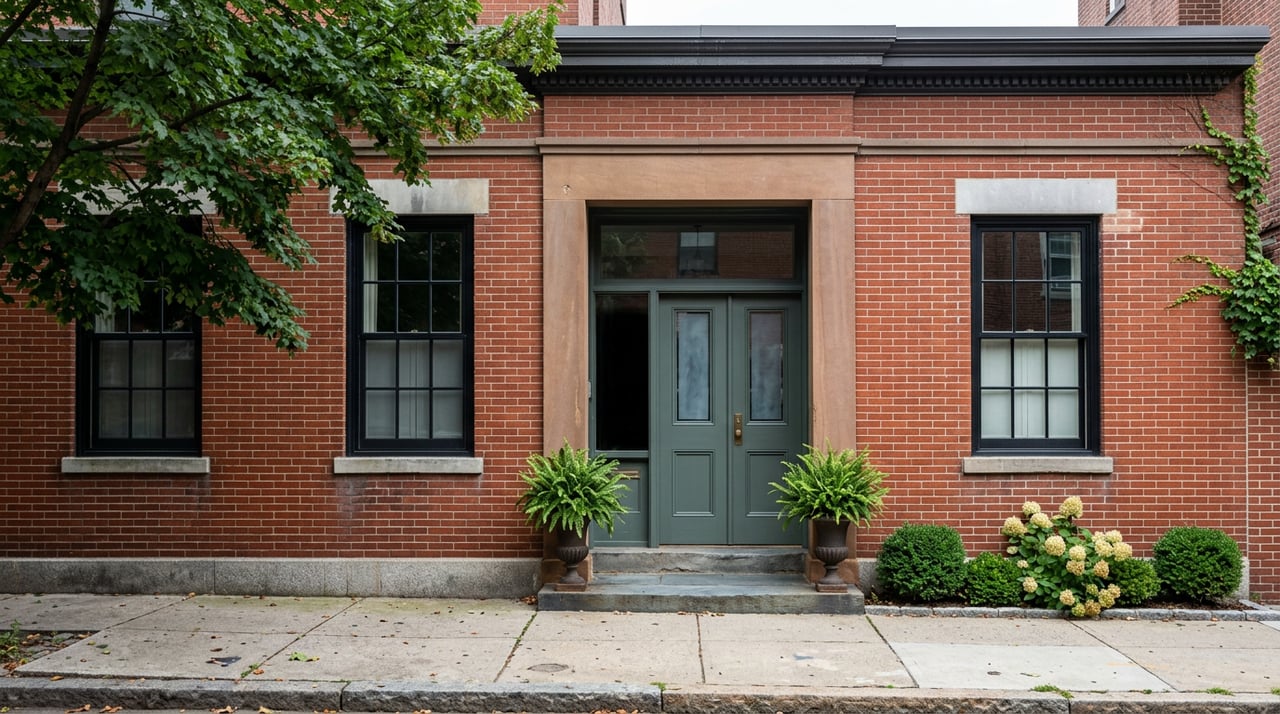
Back Bay’s look is no accident. The neighborhood was created in the mid-1800s by filling tidal flats and then building out a planned grid of Victorian and Second Empire rowhouses. Today, the area is protected as the Back Bay Architectural District, which preserves its distinctive brownstone fabric and stoop rhythm. That planning heritage still shapes your morning walk and the daily feel of the streetscape. You can learn more about the district’s history and preservation rules through the City of Boston’s Back Bay Architectural District page.
Midday: errands on Boylston and at Prudential
By late morning, you can tackle errands or lunch along Boylston Street and around the Prudential Center. This corridor concentrates everyday needs and dining, and it gives you weather-protected options when you want to stay indoors. For weekly groceries, residents use the Star Market near the Prudential area, and the larger Trader Joe’s at 500 Boylston Street opened on May 23, 2024, adding a convenient, central pick-up point for staples. If you like to plan before you go, see the grand opening listing for Trader Joe’s at 500 Boylston and the Star Market near Prudential.
Newbury Street remains your go-to for a relaxed lunch meet-up. Its storefronts sit just a half block off Boylston, so you can pivot quickly from errands to a sidewalk table. East to west, it is a smooth daytime loop on foot.
Afternoon: river time on the Esplanade
When you have a spare hour, the Charles River Esplanade is your outdoor room. Paths along the water make running and biking straightforward, and there are playgrounds, boathouses, and lawns at the Hatch Shell for picnics and seasonal events. The Esplanade Association and Massachusetts DCR have supported pathway and safety improvements that make the riverside more comfortable for cyclists and families. Explore current park features and programs with the Esplanade Association’s overview.
If you prefer to stay in the neighborhood’s quieter pockets, the Commonwealth Avenue Mall offers benches, shade, and a quick reset without crossing to the river. Either way, you are never far from a green break.
Evening: culture, dinner, and a stroll home
Back Bay sits within easy reach of Boston’s cultural anchors. Symphony Hall and nearby venues host performances throughout the week, and the Hynes and Prudential corridors give you plenty of pre- or post-show dining options. On busier evenings, sidewalks around Copley Square and Boylston Street feel lively, while the brownstone side streets stay residential and calm. Many residents cap the night with a late walk across the Commonwealth Avenue Mall before heading in.
Getting around: walk, train, bike
Back Bay is a walking neighborhood. Central coordinates score in the mid to high 90s on Walk Score, which means most daily errands do not require a car. You can check a representative snapshot on Walk Score’s Back Bay map.
For transit, you have multiple options:
- Green Line: Copley and Hynes stations sit along Boylston and Newbury, giving you fast connections across downtown and to the Fenway/Kenmore area. See the MBTA’s Copley station page for service info.
- Back Bay Station: This intermodal hub serves the Orange Line, several Commuter Rail lines, and Amtrak’s Northeast Corridor. A multi-phase renovation is underway, including concourse and ventilation upgrades, so access patterns can shift during construction. The MBTA posts updates on Back Bay Station improvements.
- Bikes: Bluebikes stations and the Charles River paths make cycling a realistic daily option. The City has been improving bike and bus lanes on Boylston Street in recent years to support safer riding and smoother bus operations. You can read about those changes in the City’s summary of Boylston Street bike and bus lane updates.
Most central addresses sit within a quick walk of a Green Line stop, and many are a short walk from Back Bay Station. If you commute beyond Boston, the blend of subway, commuter rail, and Amtrak can simplify regional trips.
Housing: brownstones to full-service towers
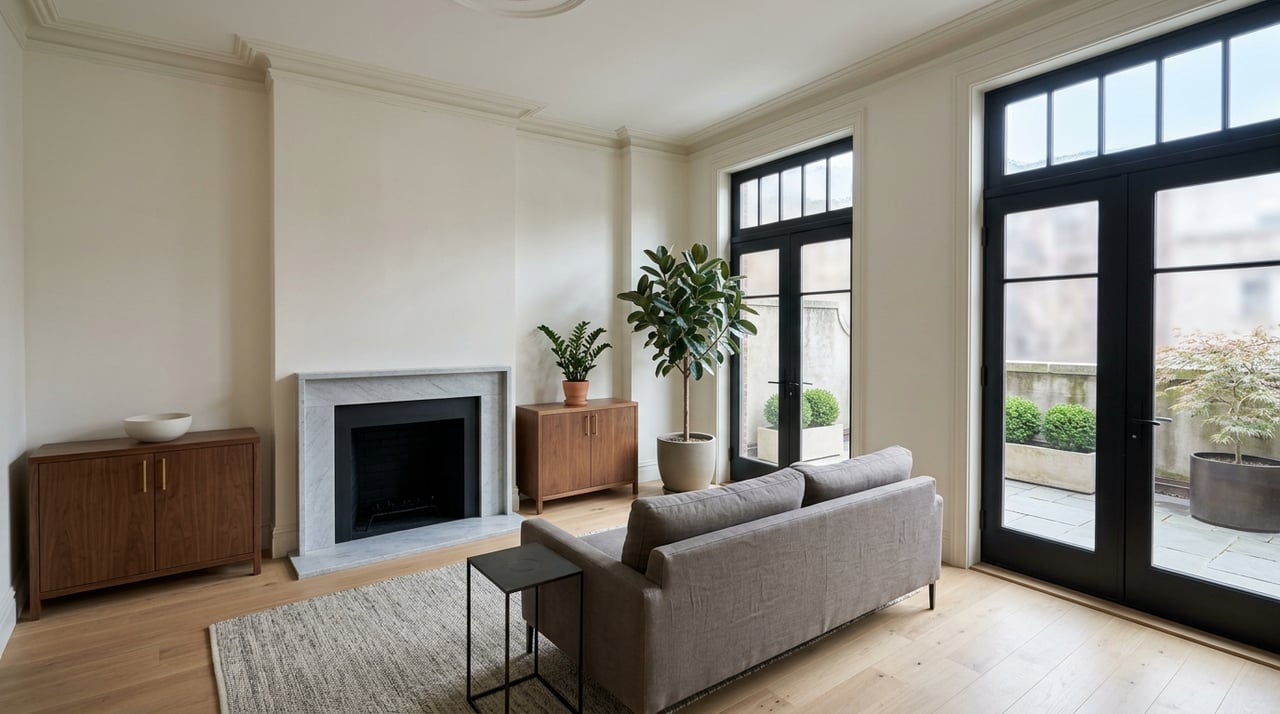
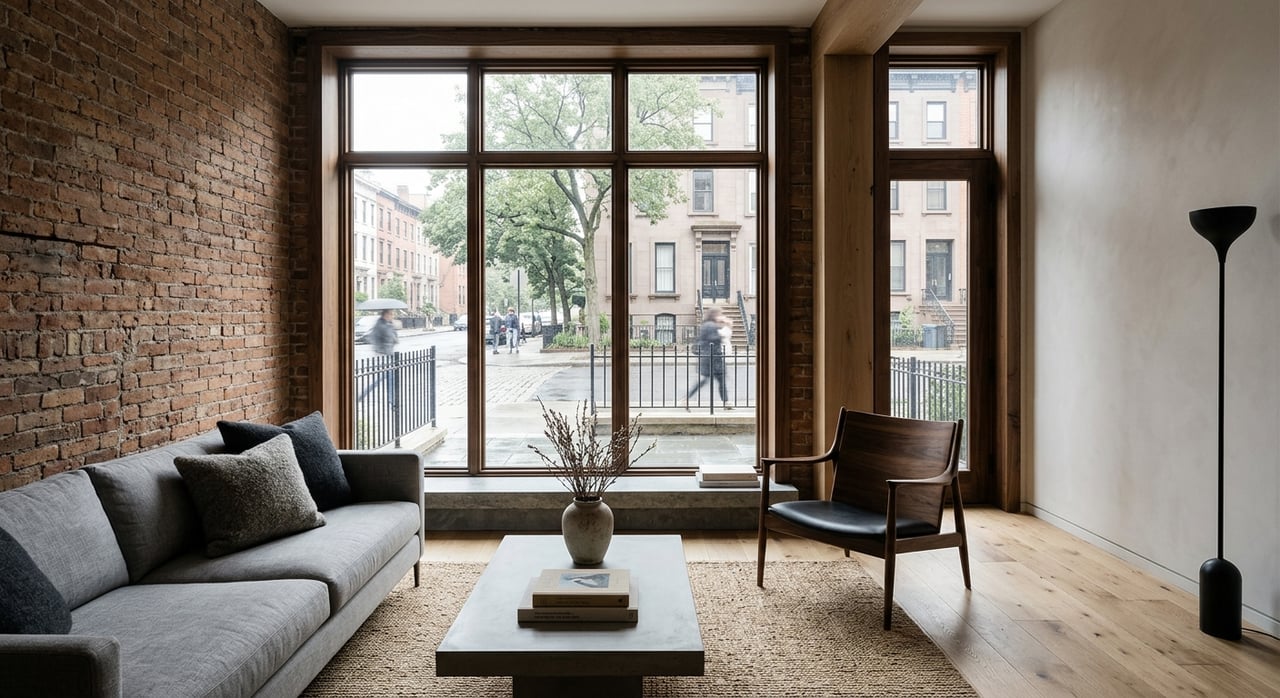
Back Bay’s housing reads as two main experiences. First, you have the historic rowhouse blocks along Commonwealth, Marlborough, Beacon, and Newbury. Many are brownstone or Second Empire style with stoops, shared entries, and floor-through layouts. These homes deliver classic architecture, tall windows, and that signature Back Bay street life.
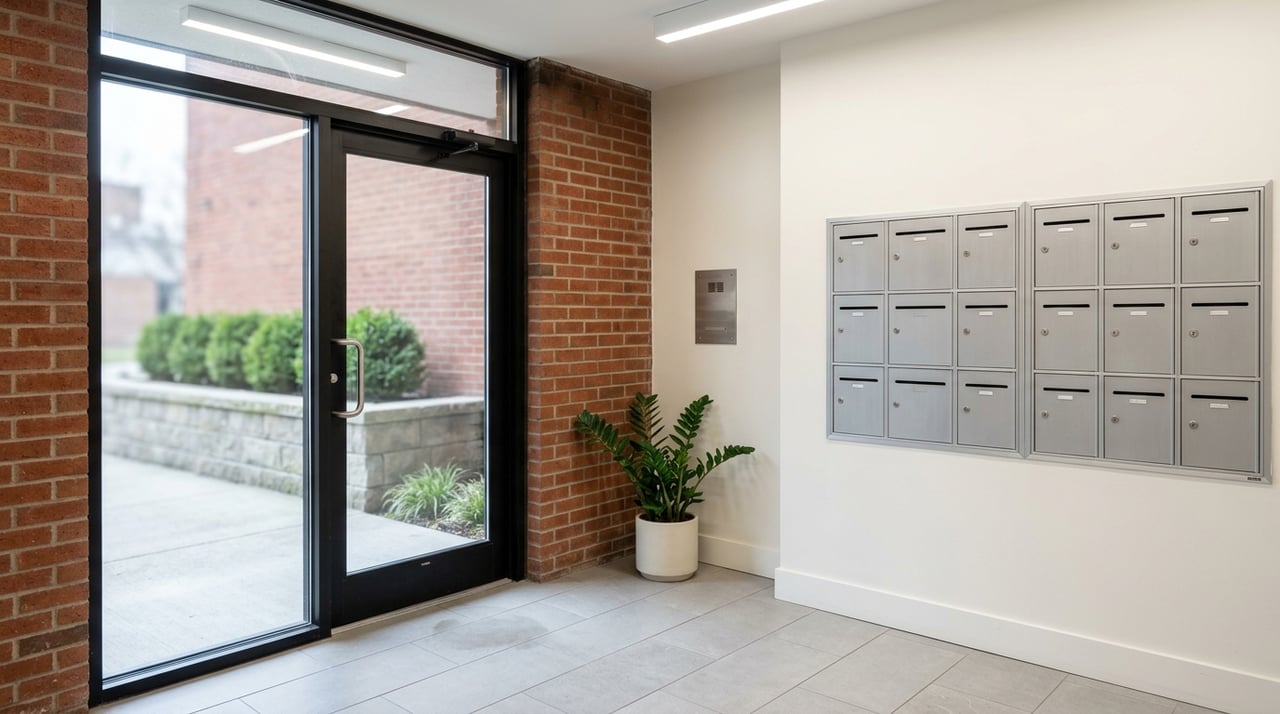
Second, you will find full-service condominium towers clustered around the Prudential, Clarendon, and Hancock corridors. These buildings often include concierge services, on-site amenities, and garage parking. A recent high-profile example is One Dalton, which pairs Four Seasons hospitality with private residences.
For pricing context, Back Bay sits well above the citywide median. Redfin reported a neighborhood median sale price of approximately 1,207,500 dollars in January 2026. Rents and ultra-luxury pricing vary widely by building and floor plan, so it is best to review current comps for your specific address and product type.
Ownership and rental opportunities both exist here. You will see long-term owner-occupied brownstones and condo conversions alongside rental-first buildings and pied-à-terre purchases in newer towers. That mix supports different life stages and routines, from dog walks off a stoop to elevator rides to the garage on a snowy morning.
Everyday logistics: groceries, deliveries, parking
Your weekly shop is close at hand. Residents often choose the Star Market near the Prudential complex for a full stock-up and use the new Trader Joe’s at 500 Boylston for grab-and-go and pantry basics. For reference, here are the listings for the Star Market near Prudential and the Trader Joe’s opening.
Because Back Bay is highly walkable and well served by transit, many residents skip daily car use. When you do drive, expect a mix of garage parking, resident permits on side streets, and metered curbside spots. Historic district rules and the dense street grid mean curbside loading and deliveries are part of daily life, so it helps to know your building’s policies for move-ins and package handling.
Location and nearby neighborhoods
Back Bay offers central access across Boston. You sit next to Beacon Hill and Downtown to the east, the South End to the south, and Fenway–Kenmore to the west. That location makes it easy to branch out for a Fenway dinner, a South End gallery walk, or a Beacon Hill morning stroll without relying on a car.
Who Back Bay fits
Back Bay tends to suit you if you value:
- Walk-first living with short transit rides and daily amenities on foot.
- Cultural access, from symphony and theater to galleries and seasonal river events.
- Boutique shopping, historic streetscapes, and refined urban architecture.
- Full-service condo living or classic brownstone homes with timeless character.
Families often choose Back Bay for its parks and transit access. If schools are a priority, confirm assignment for a specific address through Boston Public Schools, since eligibility and options depend on where you live.
A day here, in one sweep
- Morning: Coffee on Newbury after a jog along the Comm Ave Mall.
- Midday: Lunch near Copley, then a quick loop through the Prudential for errands.
- Afternoon: A riverfront walk or bike on the Esplanade.
- Evening: A show near Symphony, dinner by Hynes, and a quiet stroll home.
If this rhythm matches how you want to live, Back Bay delivers it within a compact, elegant grid.
Ready to explore homes in Back Bay?
When you are ready to match your lifestyle to the right address, let’s talk strategy. From data-backed pricing to seamless move coordination, you will get a clear plan that fits your timing and goals. Schedule a private strategy session with Michelle Roloff.
FAQs
Is Back Bay walkable if I do not own a car?
- Yes. Central Back Bay earns Walk Scores in the mid to high 90s, so most daily errands, dining, and transit access are within a short walk.
What are my main transit options from Back Bay?
- The Green Line runs through Copley and Hynes, and Back Bay Station serves the Orange Line, several Commuter Rail lines, and Amtrak. Renovations at Back Bay Station are underway, which may affect access during construction.
Where can I buy groceries in Back Bay?
- Residents often use the Star Market near the Prudential area for full stock-ups and the Trader Joe’s at 500 Boylston for everyday items. Smaller specialty shops on Newbury and Boylston fill in last-minute needs.
What types of homes are common in Back Bay?
- You will find historic brownstone rowhouses with stoops and shared entries, plus full-service condominium towers with amenities such as concierge and garage parking.
How expensive is Back Bay compared with the rest of Boston?
- Back Bay is one of Boston’s pricier neighborhoods. A recent snapshot showed a median sale price of about 1,207,500 dollars in January 2026, based on Redfin’s neighborhood data. Prices vary by building, view, renovation level, and floor plan.