Trying to choose between a garden-level condo and an upper-floor condo in Beacon Hill? In this neighborhood, that decision affects much more than your daily stair count. You are weighing light, privacy, noise, access, moisture risk, and even what changes may be possible later under historic review. If you want to buy with fewer surprises and more confidence, it helps to understand how Beacon Hill’s setting shapes each option. Let’s dive in.
Why floor level matters in Beacon Hill
Beacon Hill is not a typical condo market. The Historic Beacon Hill District was established in 1955 and is the oldest historic district in Massachusetts, and Boston requires review for exterior work visible from a public way through the Beacon Hill Architectural Commission.
That matters because your experience of a condo here is tied not just to the unit itself, but also to the building’s historic structure, the slope of the Hill, and the limits on future exterior changes. A unit that looks ideal on paper may feel very different in person depending on grade, orientation, and window placement.
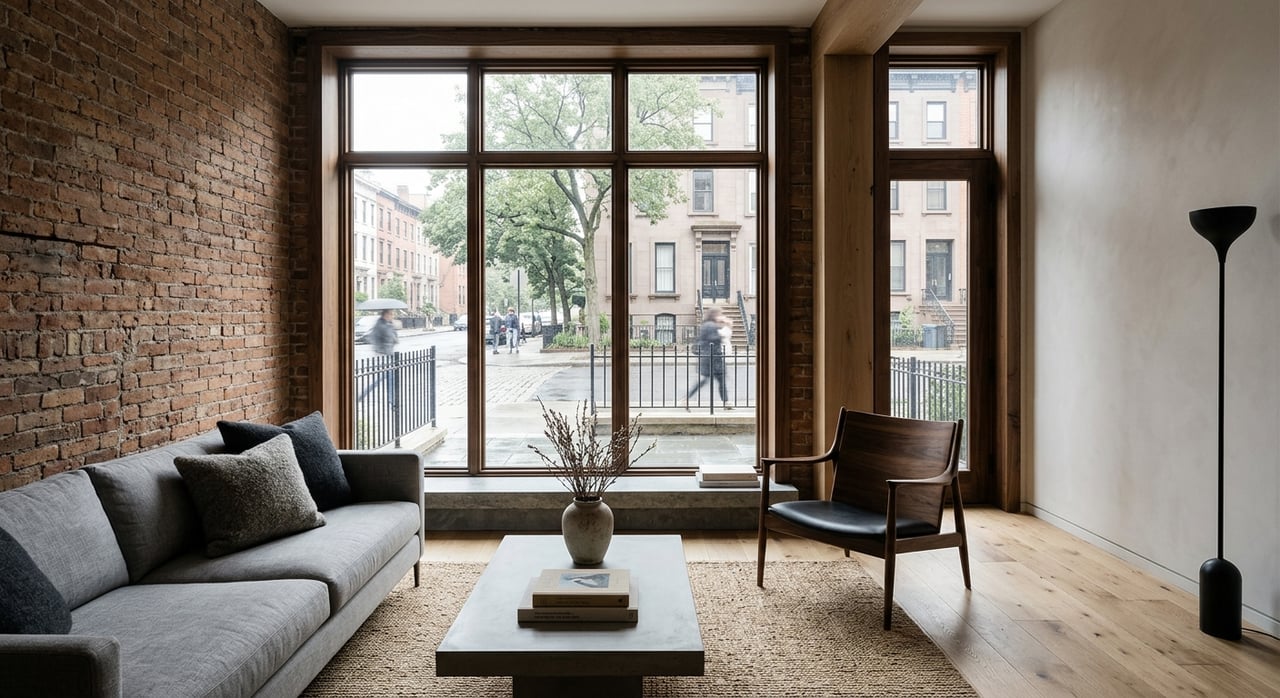
Beacon Hill’s compact layout also plays a big role. Narrow brick sidewalks, brick rowhouses, decorative ironwork, and close building spacing create a distinct setting where street relationship can shape privacy, sound, and natural light in a very real way.
Garden-level condos in Beacon Hill
What buyers often like
Garden-level condos often appeal to buyers who want easier access and a more tucked-away feel. In practical terms, that can mean fewer stairs, simpler daily routines, and easier movement for pets, groceries, or strollers.
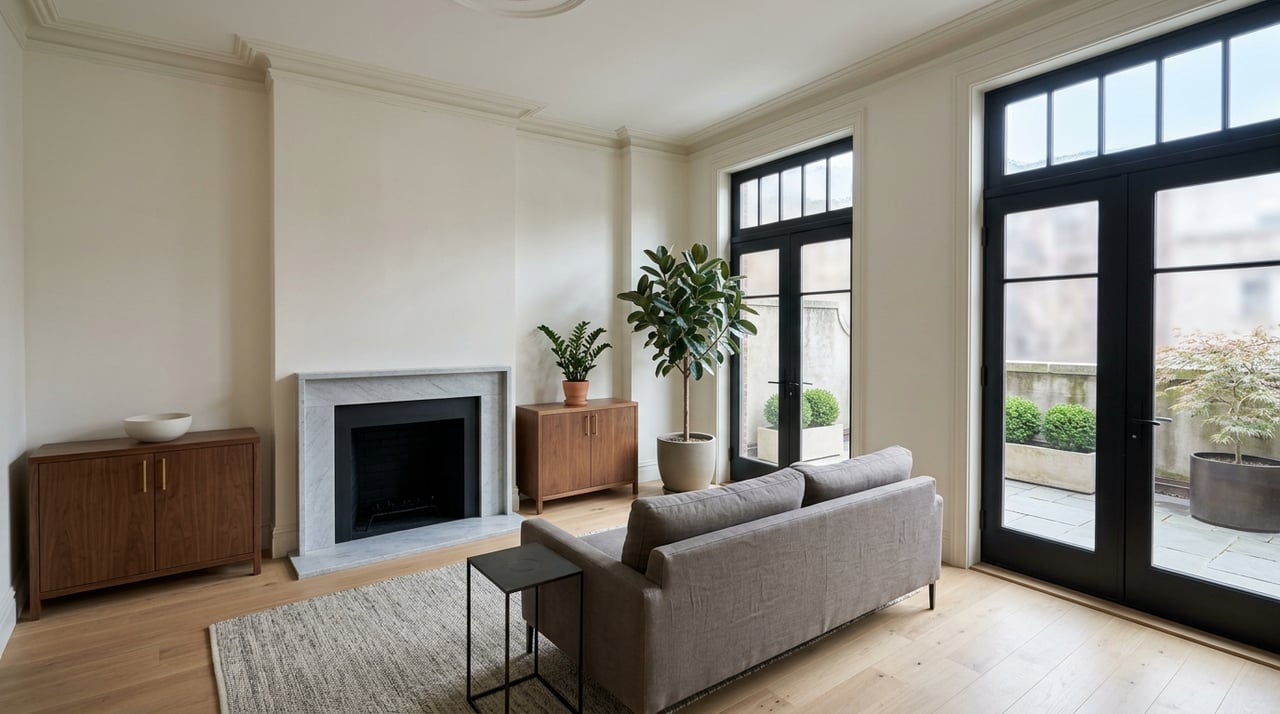
Some garden-level units also have a more direct connection to a rear patio, courtyard, or garden area when the building includes one. In Beacon Hill, that kind of outdoor relationship can feel especially attractive because private exterior space is limited and often discreet.
There is also a privacy style that some buyers genuinely prefer. Rather than living high above the street, you may feel more sheltered and separate from the building’s main flow, especially if the unit is set back well from the sidewalk.
Where the tradeoffs show up
The biggest tradeoffs at the garden level are usually light, air, and moisture. Units with fewer sky-facing exposures often feel less bright, and that can be more noticeable in Beacon Hill’s dense rowhouse environment.
Moisture deserves extra attention. EPA guidance notes that damp basements and below-grade spaces can support mold and other biological growth, and moisture can enter through foundations, leaks, condensation, or poor ventilation. In an older housing stock, that is not a detail to gloss over during a showing.
Noise and privacy can also be mixed at this level. Lower windows sit closer to sidewalk activity, deliveries, trash pickup, and passing pedestrians, which can make a unit feel more connected to the street than you expected.
Outdoor space is appealing, but not simple
Garden-level buyers are often drawn to the possibility of private outdoor access. In Beacon Hill, that can be a real advantage when a unit already has a usable rear patio or courtyard connection.
At the same time, historic rules can limit how outdoor access is created or expanded. Beacon Hill Architectural Commission guidelines restrict visible exterior changes, and new facade openings are not something you should assume will be easy to add later.
That means existing outdoor space may carry more value than buyers first realize. If a garden-level unit includes it today, that may be more meaningful than a plan to create it in the future.
Upper-floor condos in Beacon Hill
Why upper floors stand out
Upper-floor condos usually offer better light, more air, and greater separation from street-level activity. In Beacon Hill, that can be a major lifestyle advantage because the neighborhood’s narrow streets and close-set buildings make lower-level sightlines feel more enclosed.
Higher placement often means less obstruction at the window line. On some parts of the Hill, especially along the southern slope, upper floors may also feel more open because of the neighborhood’s outlook toward major public spaces like Boston Common.
For many buyers, this is the strongest case for going upstairs. If brightness, openness, and distance from the sidewalk top your list, upper-floor living often aligns better with those priorities.
The daily access tradeoff
The most obvious tradeoff is access. Beacon Hill’s housing stock includes older multistory brick buildings and later apartment buildings, and stairs are often simply part of daily life.
That does not mean every upper-floor condo is a walk-up challenge, but it does mean you should verify what the routine actually feels like. The difference between one flight and several can be significant when you are carrying groceries, managing a move, or thinking long term.
For some buyers, the value of light and privacy easily outweighs the stair count. For others, convenience wins. The right answer depends on how you live day to day, not just what photographs best.
Future changes may be limited
Upper-floor buyers sometimes imagine adding a terrace, enlarging windows, or creating a stronger connection to the roofline. In Beacon Hill, those ideas need to be viewed through the lens of historic review.
Boston notes that visible exterior changes in the district are subject to Beacon Hill Architectural Commission review. Guidelines also indicate that roof decks and deck enclosures visible from a public way are considered inappropriate, and roof-access structures must remain low-profile and not visible from a public way.
In short, you should place more value on what already exists than on what you hope to build later. In Beacon Hill, future flexibility is not always a safe assumption.
How Beacon Hill’s slope changes the equation
Floor level in Beacon Hill is not always straightforward because the neighborhood sits on a slope. A unit described as garden-level may relate to the street very differently depending on which side of the building you are standing on.
One side may feel partially below grade, while another may open more naturally toward a rear garden or lower terrace area. That is why two condos with the same label can offer very different experiences.
This is also where orientation matters. Window size, rear exposure, ceiling height, and relationship to grade often tell you more than the simple phrase “garden-level” or “upper-floor.”
Questions to ask at a showing
A smart Beacon Hill condo search is less about broad assumptions and more about close observation. Whether you are considering a garden-level unit or an upper-floor home, a few practical questions can help you compare options clearly.
For garden-level condos
Ask questions that help you understand light, moisture, and street relationship:
- Is the unit partially below grade?
- How much natural light reaches the main living areas during the day?
- Are there visible signs of moisture, condensation, or past water issues?
- How close are the primary windows to the sidewalk or service areas?
- If there is outdoor space, is it truly usable and private?
For upper-floor condos
Focus on access, light, and what is already approved:
- How many stairs are required from the street to the unit?
- Does the building have elevator service?
- Which rooms receive the best natural light, and at what times?
- How much separation do you actually feel from street noise?
- If there is roof or outdoor access, what already exists today?
For any Beacon Hill condo
These questions matter regardless of floor level:
- What exterior changes would require Beacon Hill Architectural Commission approval?
- How does the unit’s orientation affect privacy and brightness?
- What is the exact relationship between the condo and the public way?
- Are there nearby signs of active renovation that could affect noise during Boston’s regulated construction hours?
Which option fits your priorities best?
If you value convenience, easier entry, and a more tucked-in feeling, a garden-level condo may be the better fit. That is especially true if the unit has strong rear light, good ventilation, and existing outdoor space that is actually functional.
If you care most about brightness, air, privacy, and distance from sidewalk activity, an upper-floor condo may better match your goals. In Beacon Hill, that trade often comes with more stairs, but for many buyers the payoff is worth it.
The key is to evaluate the real conditions of the specific unit, not just the category. In a historic neighborhood like Beacon Hill, small physical details can have an outsized effect on how a condo lives and how flexible it may be in the future.
A careful, data-minded approach helps you avoid paying for assumptions. If you want help comparing Beacon Hill condos with a clear eye on livability, constraints, and long-term value, schedule a private strategy session with Michelle Roloff.
FAQs
What is the main difference between a Beacon Hill garden-level condo and an upper-floor condo?
- Garden-level condos often offer easier access and a more direct relationship to outdoor areas, while upper-floor condos often provide better light, more privacy, and greater separation from street activity.
Are garden-level condos in Beacon Hill always darker?
- Not always. Light depends on window size, orientation, grade, and surrounding building conditions, but garden-level units often have fewer sky exposures than upper-floor units.
What should you check for in a Beacon Hill garden-level condo?
- Pay close attention to natural light, signs of moisture or condensation, ventilation, window placement, and whether any attached outdoor space is truly usable.
Are upper-floor condos in Beacon Hill quieter?
- They often are, because they sit farther from sidewalk activity, deliveries, and street-level noise, but the exact experience still depends on the building and the unit’s placement.
Can you add a roof deck or new exterior opening to a Beacon Hill condo later?
- You should not assume you can. Visible exterior changes in the historic district may require Beacon Hill Architectural Commission review, and some alterations are tightly constrained.
How do you compare Beacon Hill condos beyond floor level?
- Look closely at grade relationship, stair count, window placement, rear exposure, ceiling height, outdoor space, and the realistic limits on future changes.