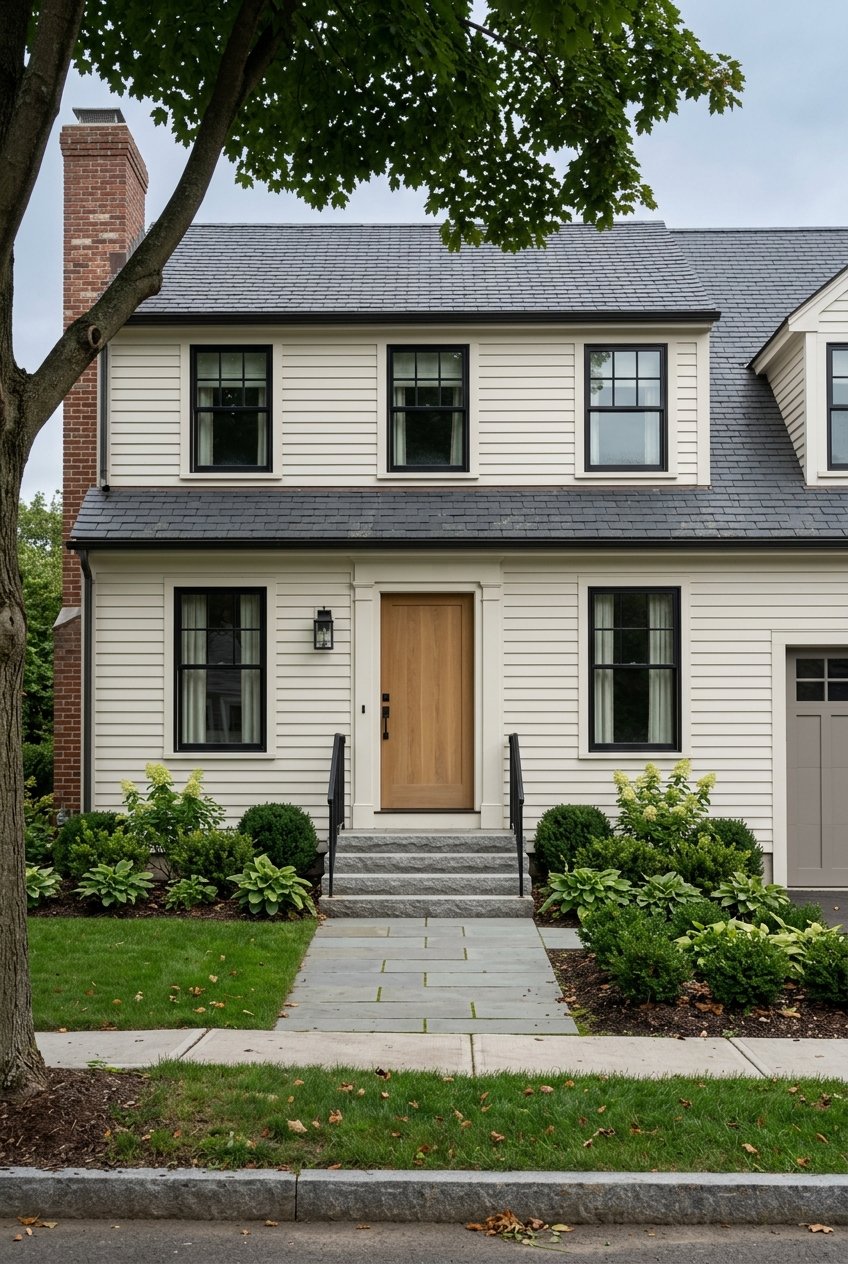
If you are thinking about downsizing in Greater Boston, the Newton versus Back Bay decision can feel surprisingly close. Both offer strong resale markets, access to everyday essentials, and high-quality housing options, but they solve very different lifestyle goals. This guide will help you compare space, costs, walkability, healthcare access, and resale so you can decide which move fits your next chapter. Let’s dive in.
Start With Your Real Goal
Downsizing is not just about buying less square footage. It is about choosing the right mix of convenience, predictability, and long-term fit for how you want to live.
For many empty-nesters, the real question is whether you want to simplify within a more suburban setting or shift into a true urban lifestyle. Newton and Back Bay can both work well, but they ask you to prioritize different things.
Compare Home Prices and Value
The clearest pricing difference is in product type. In Newton’s February 2026 market data, the median sales price was $1.8 million for single-family homes and $1.4735 million for condos. In Back Bay’s March 2026 housing market, the median sale price was $1.434 million.
At first glance, Newton condos and Back Bay condos can look fairly close in price. The bigger difference often shows up in what you get for that price, especially when you look at price per square foot.
Back Bay’s median sale price per square foot is about $1.33K, while Newton Centre shows about $618 per square foot. That means Back Bay pricing is roughly 2.15 times higher per square foot than this walkable Newton proxy. If more interior space is important to you, Newton may offer stronger value.
Look Beyond Mortgage Payment
When you compare downsizing options, monthly cost matters more than headline purchase price. A smart comparison includes mortgage, property taxes, condo fees, insurance, utilities, and a maintenance reserve.
This matters especially in Back Bay, where condo living is the norm. According to Massachusetts condominium guidance, monthly condo fees may cover maintenance, repairs, improvements, and in some cases taxes or underlying building costs. In other words, the condo fee is a core budget item, not a side note.
Property Tax Comparison
Newton’s FY2026 residential tax rate is $9.69 per $1,000 of value. Boston’s FY2026 residential tax rate is $12.40 per $1,000, but Boston also offers a residential exemption that can reduce the tax bill by up to $4,353.74 for a qualified principal residence.
Using current median pricing as an illustration, a $1.8 million Newton single-family home implies about $17,442 per year in property tax. A $1.434 million Back Bay home implies about $17,782 per year before the Boston residential exemption, and about $13,428 after the full exemption. That means Back Bay can look more expensive on a gross basis but less expensive on a net owner-occupant basis if you qualify.
For Newton condos, the February 2026 median price of $1.4735 million implies about $14,278 per year in property tax, or roughly $1,190 per month. That is still slightly above the Back Bay net tax after the full Boston exemption.
Senior Tax Relief in Newton
If you are downsizing later in life, Newton may offer some additional tax planning flexibility. The city lists several tax assistance programs, including the $2,000 Clause 41C exemption, the Clause 41A tax deferral, a property tax work-off credit of up to $3,000, and the Newton Elderly and Disabled Taxation Aid Fund.
These programs will not apply to everyone, but they are worth reviewing if you are comparing long-term carrying costs between the two locations.
Match Lifestyle to the Right Setting
The best downsizing move is the one that supports your daily routine. That is where Newton and Back Bay begin to separate more clearly.
Back Bay is built for people who want a highly walkable, transit-rich environment. Newton offers more variation, with some village-center areas feeling convenient on foot while other areas remain more car-dependent.
Back Bay for Walkability
Back Bay is the stronger choice if your goal is to walk to more of your day-to-day destinations. Redfin gives Back Bay a Walk Score of 97, and Boston planning materials describe the area as a dense district where walking is the dominant mode of travel. The neighborhood also benefits from commuter rail and Orange Line service at Back Bay Station, along with Green Line service on Boylston Street.
If you want a true lock-and-leave lifestyle, this matters. You may be able to rely less on a car and more on nearby services, transit, and a compact footprint.
Newton for a Softer Landing
Newton is more car-oriented overall, but not every downsizer experience in Newton looks the same. Redfin rates Newton citywide at a Walk Score of 57, Transit Score of 40, and Bike Score of 47, while Newton Centre posts a Walk Score of 68.
That is an important distinction. If you want to stay in Newton without taking on the upkeep of a detached house, a village-center condo or townhouse may be a better comparison than a single-family home on a quieter street.
Consider Healthcare Access
For many downsizers, healthcare convenience is not a side issue. It can be one of the most important parts of the decision.
Newton offers local hospital access through Newton-Wellesley Hospital, located at 2014 Washington Street and accessible by the MBTA Green Line D to Woodland, with the hospital two short blocks away. That can be meaningful if you want to stay connected to Newton while simplifying your home.
Back Bay places you closer to Boston’s major medical hubs, including Brigham and Women’s, Beth Israel Deaconess Medical Center, and Massachusetts General Hospital, all noted in the research as part of the broader Boston medical cluster. If specialist access is a top priority, Back Bay may offer a clearer advantage.
Compare Resale Strength
Even if this is your next long-term home, resale still matters. Your future flexibility depends on how easy it may be to sell when needs change again.
Right now, Newton is moving faster. Redfin reports that Newton homes sell in about 26 days, at roughly 99.0% of list price, with 31.4% selling above list. Back Bay is somewhat competitive, with homes selling in about 66 days, at roughly 96.7% of list price, and 17.5% selling above list.
Newton’s February 2026 inventory levels also suggest a relatively tight market, with 1.5 months of supply for single-family homes and 2.2 months for condos. That supports the idea that well-located, well-presented Newton properties can still benefit from strong buyer demand.
Think About Long-Term Flexibility
Some downsizers want their next home to do more than simply reduce maintenance today. They also want options for aging in place, family use, or a future housing change.
Newton may have an edge here for certain buyers. The city states that it was fully compliant with the MBTA Communities law as of March 2025, and Newton’s ADU rules allow an accessory dwelling unit on a single- or two-family home lot. Depending on your goals, that can add flexibility for multigenerational living, guest space, or a later-stage rental strategy.
Back Bay, by contrast, is often the cleaner choice if you want a more contained ownership experience now. The tradeoff is that future flexibility may be shaped more by the building and association than by the lot itself.
A Simple Newton vs. Back Bay Framework
If you are torn, this side-by-side view can help clarify the decision.
| Priority | Newton | Back Bay |
|---|---|---|
| More interior space | Stronger fit | Less space for the same budget |
| Price per square foot | Lower | Higher |
| Walkability | Better in village centers | Excellent |
| Transit access | Moderate | Strong |
| Parking ease | Typically easier | Often more limited |
| Healthcare access | Strong local option | Closer to major specialty hospitals |
| Lock-and-leave lifestyle | Possible in condos/townhomes | Strong fit |
| Broader suburban resale pool | Stronger fit | More urban buyer pool |
How To Decide With Confidence
Choose Newton if your top priorities are more space, easier parking, lower price per square foot, and a broader suburban resale pool. It can be especially appealing if you want to stay near familiar routines while reducing upkeep.
Choose Back Bay if your top priorities are maximum walkability, strong transit access, and proximity to Boston’s major medical centers. It is often the better fit if you are comfortable trading more compact space, condo or association costs, and urban parking constraints for a true city lifestyle.
The right answer usually comes from modeling your monthly carrying costs and matching them against how you actually want to live day to day. If you want help comparing a Newton village-center condo against a Back Bay residence with a clear eye on taxes, fees, resale, and timing, Michelle Roloff can help you build a thoughtful downsizing strategy.
FAQs
How do Newton and Back Bay compare for downsizing costs?
- Newton may offer more space for the money, while Back Bay may offer lower net property taxes for qualified owner-occupants because of Boston’s residential exemption. Your full monthly cost should include mortgage, taxes, condo fees, insurance, utilities, and maintenance reserves.
Is Back Bay or Newton more walkable for downsizers?
- Back Bay is much more walkable overall, with a Walk Score of 97. Newton is more mixed, though village-center areas such as Newton Centre can offer a more walkable option within a suburban setting.
Which area has better healthcare access for downsizers, Newton or Back Bay?
- Newton offers access to Newton-Wellesley Hospital, while Back Bay is closer to Boston’s larger medical cluster, including Brigham and Women’s, Beth Israel Deaconess Medical Center, and Massachusetts General Hospital.
Does Newton or Back Bay have stronger resale conditions right now?
- Current data shows Newton moving faster, with shorter days on market and a higher share of homes selling above list price. Back Bay remains active, but the pace is slower.
Should you choose a condo in Newton or a condo in Back Bay when downsizing?
- A Newton condo may make sense if you want more space and a somewhat softer transition from suburban living. A Back Bay condo may be a better fit if you want highly walkable urban living and a more lock-and-leave lifestyle.