If you are picturing your life in Boston’s North End, start with a simple test: spend a weekend here as if you already live in the neighborhood. You will notice the espresso rituals, waterfront walks, and the energy that builds around dinner time. You will also see the practical side, like parking rules, building quirks, and how tourist rhythms shape your days. This guide walks you through a realistic weekend plan, key lifestyle details, and housing considerations so you can decide if the North End is the right fit. Let’s dive in.
Morning rhythm: espresso and the harbor
The North End wakes up with the aroma of fresh coffee and pastry. Longstanding cafés and bakeries like Caffè Vittoria, Modern Pastry, and Mike’s Pastry open early, and locals often stop in before the lines form. If you prefer to move first, take a brisk walk on the Harborwalk or loop through Christopher Columbus Waterfront Park while the waterfront is still quiet.
Errands are simple when you plan ahead. The neighborhood is full of small specialty shops and Italian markets, but large-format grocery options are limited within the North End itself. Many residents combine a morning walk with quick errands nearby or visit seasonal outdoor markets when they are running.
Practical note: sidewalks can be narrow, and morning delivery trucks are common. Give yourself a few extra minutes when walking with a stroller or carrying bags.
Quick morning checklist
- Arrive at your bakery of choice early to skip lines.
- Pack a reusable bag for small-shop errands.
- Use quieter hours to visit Old North Church or a short Freedom Trail segment before crowds.
- Watch for delivery vehicles and loading zones along narrow streets.
Midday in motion: lunch, museums, quick trips
By late morning, the pace picks up around Hanover, Salem, and the waterfront. Lunch is easy, with pizzerias, seafood counters, and sandwich shops within a few blocks of each other. If you want culture, the Paul Revere House and Old North Church are nearby daytime stops.
When you need a change of scenery, you can walk or take the T to Government Center, Faneuil Hall, or North Station for events near TD Garden. Seasonal ferries from Long Wharf add a relaxing waterfront option for weekend excursions.
Practical note: weekend afternoons see the most visitor traffic near landmarks. Many residents handle errands late afternoon or on weekdays to avoid peak foot traffic.
Midday options by lifestyle
- Families: Alternate the Harborwalk with time at the park so kids can move around.
- Young professionals: Use midday to scout gyms, coworking spots, or coffee shops for weekday routines.
- Retirees: Plan museum visits just before closing to miss peak crowds and enjoy quieter streets on your way home.
Evenings: dinner, energy, and feasts
Evenings in the North End revolve around its restaurants. The scene is lively and mostly centered on dining rooms and bar seating rather than clubs. Many spots are small and busy, so reservations or an early arrival often help.
Summer feasts and processions are signature traditions. They bring street closures, amplified music, and large crowds on selected weekends. If you love neighborhood festivals and community energy, you will find this season enchanting. If you prefer quiet nights, you will want to confirm how close your building is to the busiest streets and feast routes.
Practical note: sound carries on narrow streets, and late-night restaurant activity is common on weekends. Consider this in your housing search if you are sensitive to noise.
Simple evening strategies
- Book reservations in advance, or dine early to avoid long waits.
- For quieter evenings, choose restaurants a few blocks off the busiest corridors.
- If you are touring homes, visit the block after 9 p.m. to gauge typical weekend noise.
Getting around: walk, T, ferry, or car
Walkability is one of the North End’s biggest strengths. The neighborhood’s compact footprint and mixed-use blocks make daily needs reachable on foot. Cycling is possible, though narrow streets and frequent loading can be challenging in the interior.
Transit access is strong. Haymarket and North Station connect you to the Green and Orange Lines, and Government Center links to the Blue Line. Buses run on adjacent corridors, and North Station offers commuter rail and Amtrak. Ferries from nearby docks provide seasonal and year-round routes.
Driving is possible but rarely the easiest choice for daily needs. On-street parking is limited, and many buildings do not have dedicated garages. Residents often decide between renting a garage spot nearby or relying on transit and rideshare.
Parking, moving, and deliveries
- Apply for the appropriate city permits and building approvals before moving day.
- Expect narrow staircases and older building layouts that require careful planning.
- Schedule deliveries during off-peak times to avoid double-parking conflicts.
- If you need extra space, plan ahead for off-site storage.
Housing snapshot: what you will find
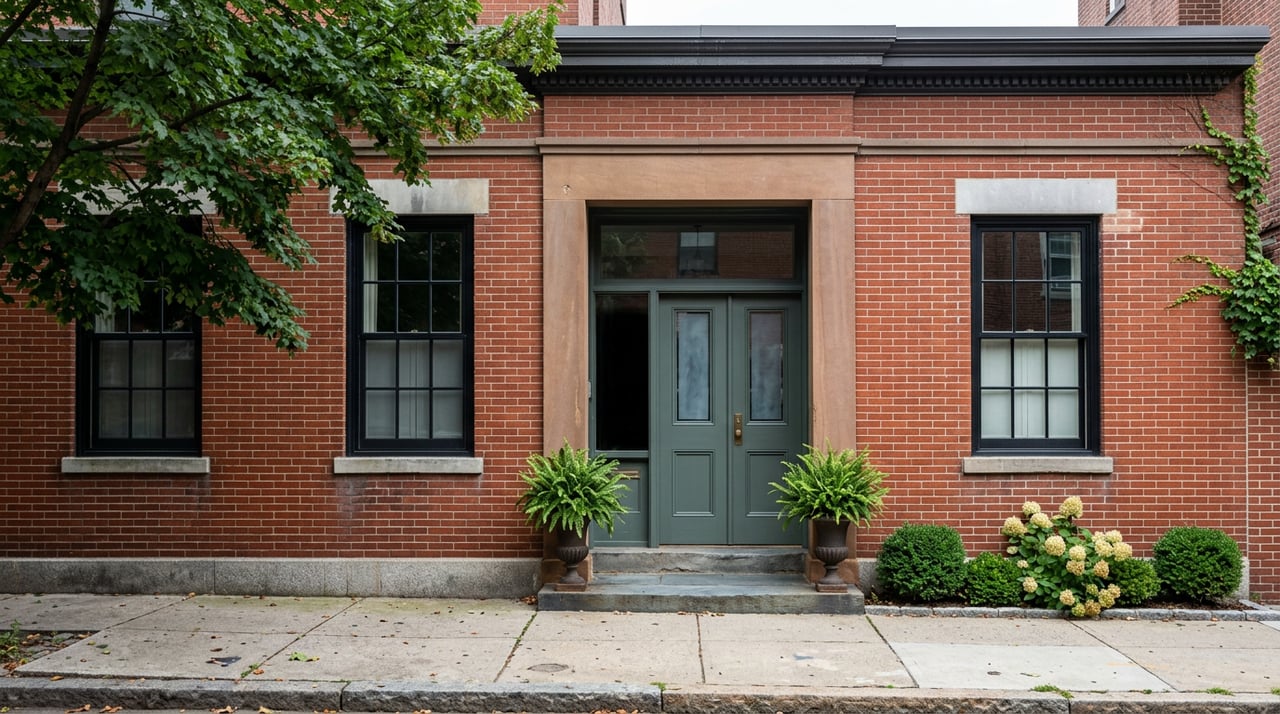
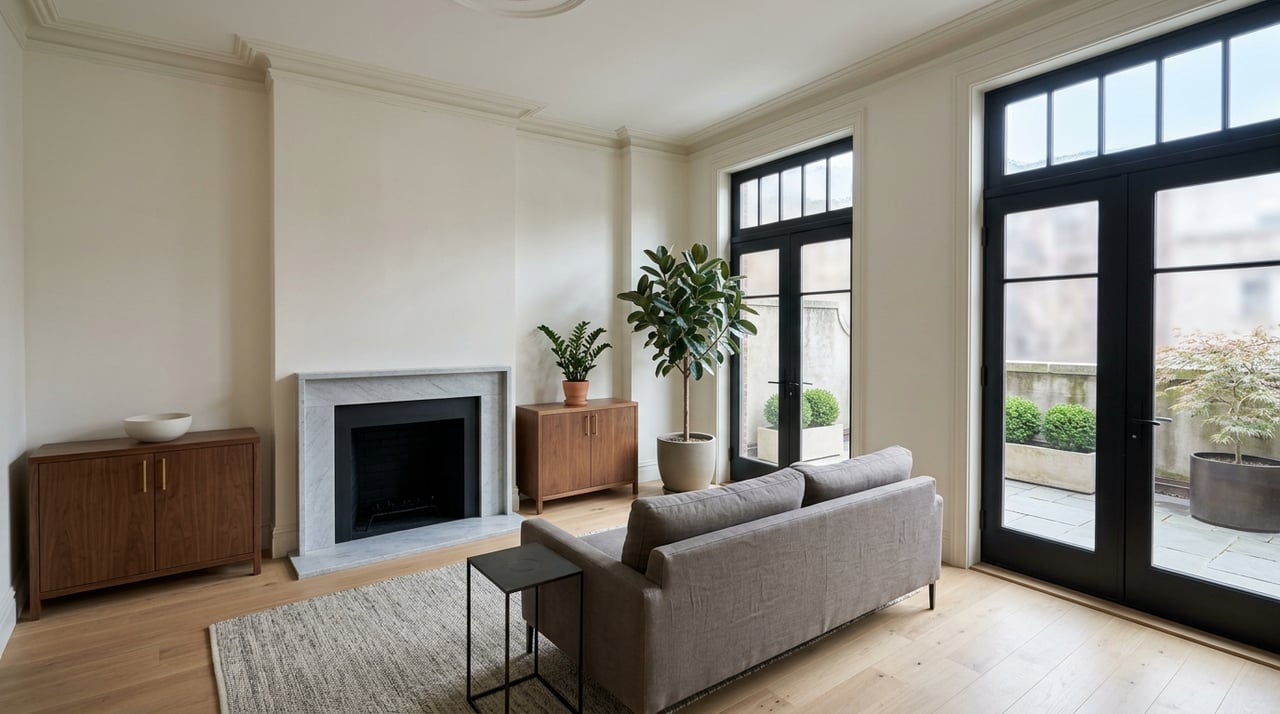
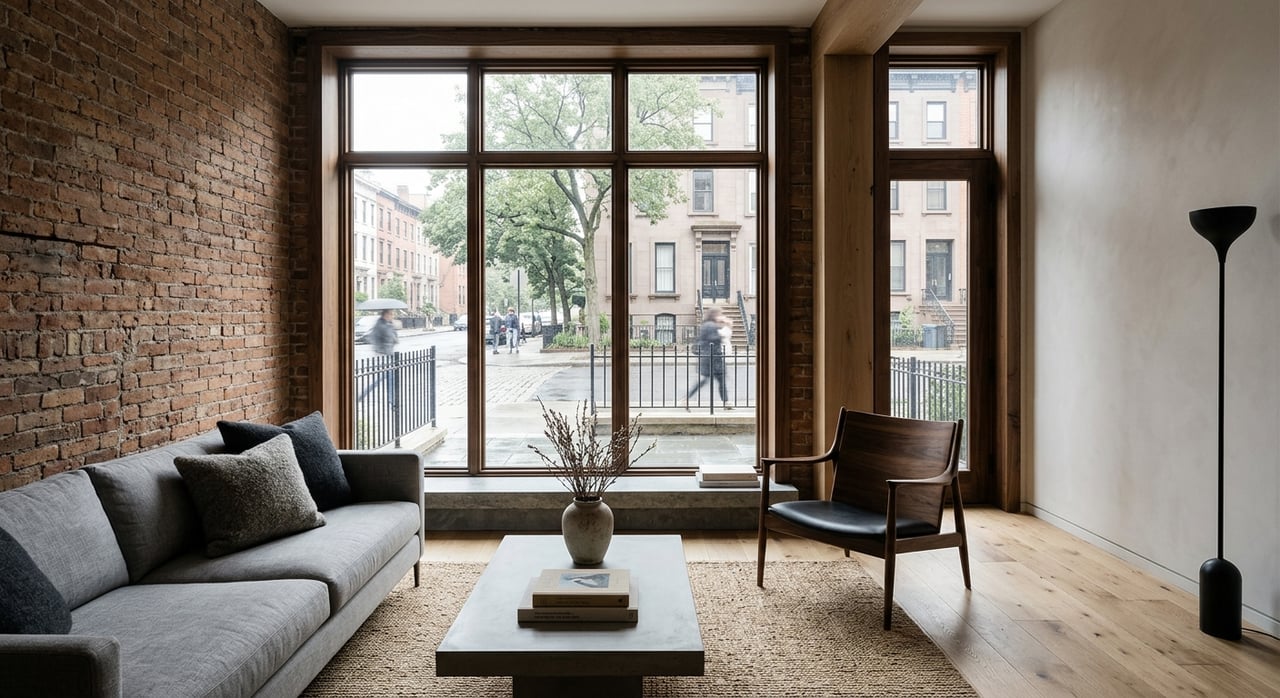
Most homes are in historic rowhouses converted to condos or multi-unit buildings, with a few mid-rise residences near the waterfront. Units tend to be smaller than suburban homes, and older buildings can have narrow stairs, limited closets, and variable soundproofing.
If you are buying, expect a condo market with tight inventory and preservation rules that shape exterior changes. Single-family homes are rare. Renovations in historic districts often require review, and condo associations may have rules that affect rentals or remodeling.
If you are renting, plan for competition and smaller footprints. Renovated units often command premium rents, and building rules vary. Verify policies on pets, subletting, and any planned work in the building.
Renovation and preservation basics
- Exterior changes, rooftop additions, and façade updates may require historic review.
- Interior work can be simpler but still subject to building approvals and HOA rules.
- Budget for longer timelines when plans touch common elements or exteriors.
Your weekend test drive: a 24-hour plan
Use this self-guided plan to sample daily life and stress-test your priorities.
- 7:30 a.m.: Coffee and pastry at a neighborhood café before lines grow. Note how busy the block feels at this hour.
- 8:15 a.m.: Harborwalk or park loop. Check your cell coverage and signal around your preferred blocks.
- 9:30 a.m.: Quick errands at small specialty shops. Assess whether the local selection fits your weekly routines.
- 11:00 a.m.: Tour open houses or walk target streets. Pay attention to sidewalk width, building entry steps, and nearby loading zones.
- 1:00 p.m.: Lunch close to home. See how wait times change from 12 to 2 p.m.
- 3:00 p.m.: Cross-neighborhood trip by T to Government Center or North Station. Time the door-to-door journey.
- 5:30 p.m.: Late-day errands when crowds thin.
- 7:00 p.m.: Dinner. Try a quieter side street and then a busier stretch so you can compare energy levels.
- 9:30 p.m.: Night check. Stand outside your favorite building or block to gauge sound and foot traffic.
- Next morning, 8:30 a.m.: Repeat coffee and a short walk. Ask yourself what felt easy, and what you would change.
Is the North End a fit for you?
- Singles and couples: You will likely value the dining scene, walkability, and transit access. Smaller units are typical, which can keep things simple during the workweek.
- Families: The neighborhood can work with planning. Look closely at floor plans, storage, and access to parks. Review school assignment processes through the city before committing.
- Retirees and downsizers: Proximity to healthcare and cultural sites is a plus, and strollable streets simplify daily life. Weigh walk-up buildings and nighttime street activity against your preferences.
What locals wish they knew sooner
- Weekend crowds concentrate around Hanover, Salem, and the waterfront; a few blocks off those corridors can feel calmer.
- Summer feasts bring festive energy along with street closures and noise. Check how close a building sits to frequent procession routes.
- Trash, recycling, and large-item pickup depend on city schedules and building procedures. Clarify logistics before moving.
- Many buildings do not include parking. Decide early whether you will rent a garage space or go car-light.
- Older construction has charm but also quirks. Ask about insulation, sound transfer, and any planned building upgrades.
Ready to plan your move?
If the North End feels like home, a clear strategy will help you navigate inventory, evaluate building rules, and plan renovations or move logistics with confidence. You can pair a neighborhood-focused search with thoughtful timing to avoid peak crowds and coordinate showings around your schedule. When you are ready, schedule a private strategy session with Michelle Roloff to map out a step-by-step plan tailored to your goals.
FAQs
How crowded are North End weekends near Hanover Street?
- Visitor traffic is heaviest around Hanover, Salem, and the waterfront from late morning through evening, especially in summer.
What are the main transit options from the North End?
- You can walk to Haymarket and North Station for the Green and Orange Lines, connect at Government Center, and access buses, commuter rail, Amtrak, and nearby ferries.
Is on-street parking realistic for residents in the North End?
- On-street parking is limited and regulated, and many buildings lack garages, so residents often rent a spot or rely on transit and rideshare.
What types of homes are most common in the North End?
- Historic rowhouses converted to condos and multi-family buildings are typical, with a few mid-rise residences near the waterfront.
Are there renovation constraints in the North End’s historic buildings?
- Yes, exterior changes and rooftop additions often require historic review, and condo associations may have rules that affect renovations.
How do summer feasts affect daily life for residents?
- Feasts add lively community events along with temporary street closures, amplified music, and larger crowds during summer weekends.