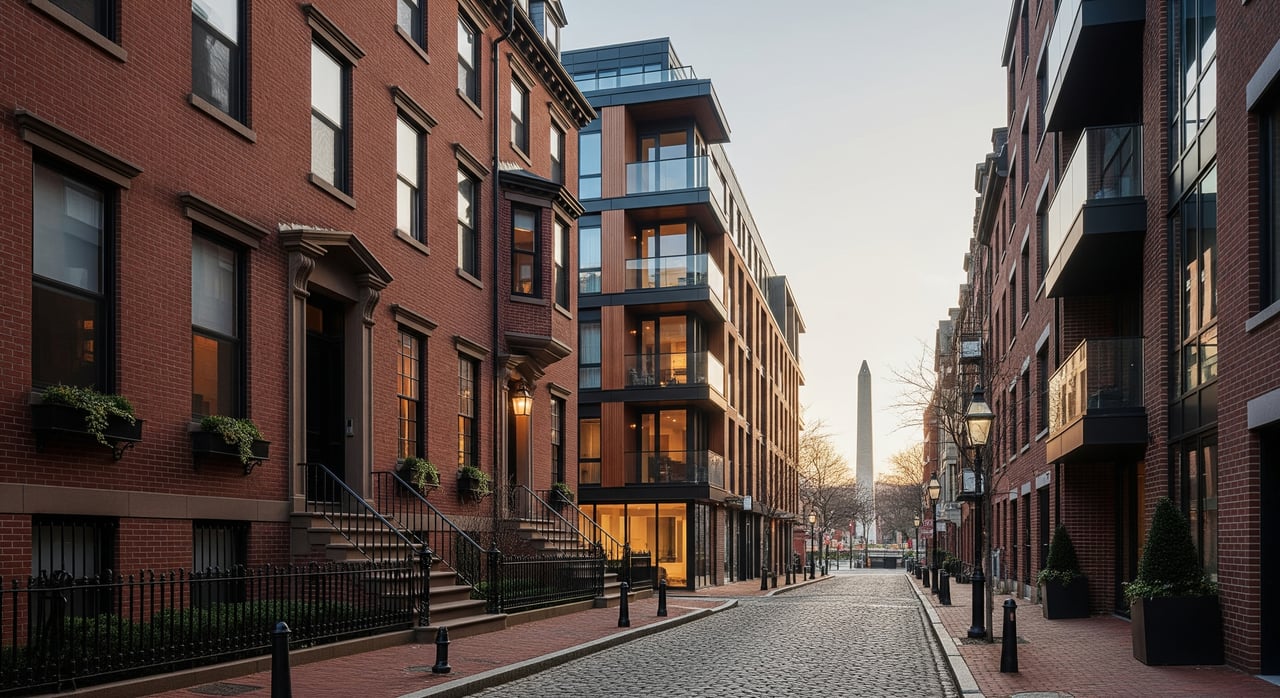
Torn between the charm of a brick rowhouse and the ease of a sleek new build in Charlestown? You are not alone. In this neighborhood, historic and modern condos sit side by side, each with real advantages and real trade-offs. In this guide, you will learn how the two compare on systems, energy costs, HOA budgets, renovation scope, storage, parking, and climate risk, so you can buy with confidence. Let’s dive in.
Charlestown at a glance
Charlestown blends centuries-old architecture with modern waterfront and infill developments. You will find 18th and 19th-century brick and wood-frame rowhouses, conversions of mills and warehouses, and larger new-build projects on former industrial and Navy Yard parcels. This mix creates a true apples-to-oranges choice: character and uniqueness on one side, convenience and amenities on the other.
Walkability, transit access, and proximity to downtown are strong across the neighborhood. Zoning constraints and historic-preservation rules can limit exterior changes, so it is smart to choose a home that already aligns with your lifestyle. Parking is tight on many streets, which is why structured parking in newer buildings often commands a premium.
New construction: what you gain and what to weigh
What you typically get
- Modern building systems, such as code-compliant wiring, contemporary plumbing, and efficient HVAC, often including central or ductless heat pumps.
- Better insulation and air sealing, plus double or triple-pane windows that reduce drafts and street noise.
- Safety features like sprinkler systems in many multi-unit buildings.
- Elevators, secure entry, bike rooms, storage lockers, and sometimes garage parking.
- Predictable near-term maintenance and, in some cases, builder warranties.
Trade-offs to consider
- Higher price per square foot compared to many older units with fewer amenities.
- Standardized floorplans that may feel less distinctive than historic layouts.
- New associations sometimes start with modest reserves. Short-term needs are low, but long-term funding must catch up as the building ages.
Inspection priorities for newer buildings
- Verify HVAC type, age, and service records, and confirm how heat and hot water costs are allocated.
- Review window and envelope performance, including any evidence of moisture at sills or balconies.
- Confirm common system maintenance plans for elevators, roofs, and fire safety.
- Collect all builder warranty documents and understand claim timelines.
Historic condos: charm and complexity
What you typically get
- Architectural character, such as high ceilings, moldings, original flooring, and unique layouts.
- Established locations on historic blocks or near the waterfront, often with appealing streetscapes.
- A one-of-a-kind feel that can support long-term enjoyment and resale appeal when well maintained.
Trade-offs to consider
- Aging systems are common. You may encounter older roofing, original or early plumbing, knob-and-tube wiring or ungrounded circuits, and single-pane windows.
- Hazard considerations include lead-based paint in pre-1978 housing and potential asbestos in older materials. Moisture issues are more likely in basements and foundations.
- Access constraints like narrow stairways and shared walls can add cost or time to repairs.
Inspection priorities for historic buildings
- Structure and envelope: roof age, masonry and mortar repointing needs, flashing, gutters, and foundation cracks.
- Electrical and plumbing: panel capacity, wiring type, pipe material, water pressure, and signs of prior leaks.
- HVAC and hot water: equipment age, efficiency, and service history.
- Fire safety and egress: smoke and CO detectors, separations, and, where applicable, sprinkler presence.
- Hazard screening: lead paint and asbestos risks, plus radon testing and a check for prior abatement.
Renovation scope and preservation rules
- Many Charlestown properties fall within historic districts. Exterior changes visible from public ways often require review by preservation authorities. Interior work generally follows standard permitting unless it affects the exterior.
- Historic renovations can cost more due to specialized trades, material matching, and potential discoveries like rot or structural issues.
- Work on pre-1978 homes must follow lead-safe practices, and any asbestos disturbance requires licensed abatement. Permits and inspections apply for structural, electrical, plumbing, and HVAC changes.
- Federal historic tax credits are typically geared to income-producing properties, not owner-occupied condos. Confirm the current landscape with the appropriate state authorities if you plan significant work.
Energy efficiency and monthly costs
Baseline differences
- Historic units often have weaker insulation and single-pane windows. Unless upgraded, they can carry higher heating and cooling costs.
- Newer buildings are constructed to modern code standards for insulation and air sealing and are more likely to include high-efficiency systems or heat pumps, which lower energy use.
What influences your bills
- Fuel type matters. Older systems can run on oil or propane, while newer buildings often use natural gas or electric heat pumps.
- Central versus individual systems changes what you pay directly. With central metering, some utilities are embedded in HOA fees. With individual metering, you gain control and pay replacements out of pocket.
- Airtight envelopes and better windows reduce drafts and seasonal swings, improving comfort and lowering monthly costs.
Incentives to explore
- Massachusetts supports upgrades through statewide efficiency programs that can reduce the cost of insulation, heat pumps, and electrification. Eligibility varies, so verify what applies to your building type and unit.
HOA budgets, financing, and resale
New associations
- Reserves can start low. Near-term maintenance is limited, but budget planning must keep pace with future roof, facade, and mechanical life cycles.
- Review the developer turnover plan, early-year budgets, and any obligations shifting from the developer to the HOA.
Older associations
- You may see a history of reserve contributions and past assessments for major projects like roof or masonry work. That history can be a positive sign, but upcoming needs can still trigger special assessments.
- Quality varies. Look for a clear reserve study, transparent minutes, and a predictable budget process.
Financing checkpoints
- Lenders evaluate the condo project, not just your unit. They look at owner-occupancy, reserves, insurance, litigation, commercial space share, and delinquency rates.
- FHA, VA, and Fannie Mae have specific project eligibility rules. If you need one of these loan types, confirm approval status early to avoid surprises.
Resale signals
- Strong maintenance records and steady reserves support value. Pending large assessments can deter buyers or complicate closings.
- Rental policies and investor concentration can affect financing options and appraisals, which influences resale.
Storage, parking, and daily living
Storage and layout
- Historic condos can have less built-in storage, smaller kitchens or baths, and unique room shapes. Basement or attic storage is not guaranteed and may be shared or inaccessible.
- Newer buildings often include deeded storage lockers, bike rooms, and floorplans designed for modern storage needs.
Parking realities
- Street parking is common around older buildings and depends on resident permits and available curb space.
- New developments sometimes include structured parking and may be EV-ready. Expect a premium for on-site parking.
- Charlestown’s transit access and walkability are strengths, which can offset limited parking for many buyers.
Climate and flood risk
- Waterfront proximity is a draw, but certain areas can fall within mapped flood zones. That can affect insurance costs, mechanical equipment placement, and mitigation planning.
- Ground-floor units and basement storage need special scrutiny. Flood insurance requirements and premiums can materially change ownership costs, so factor this into your budget.
Which condo fits your goals
- You want low maintenance, modern amenities, and predictable costs: Lean toward newer construction or recently rehabbed buildings with clear reserves and warranty documentation.
- You value historic details and a one-of-a-kind layout and can handle trade-offs: Consider a historic condo, with eyes open to possible special assessments and retrofit needs.
- You prioritize energy efficiency and lower utility bills: Favor newer units or historic homes with documented envelope and mechanical upgrades.
- You rely on specific loan programs: Confirm project eligibility for FHA, VA, or certain conventional loans early.
- You need storage and parking: Newer buildings are more likely to meet these needs, typically at a higher price.
Buyer checklist for Charlestown condos
Documents to review before you commit
- HOA master deed, bylaws, rules and regulations, and recent meeting minutes.
- Current budget, reserve study, insurance certificates, and any pending assessments or contracts.
- Engineering and maintenance records for roofs, masonry, elevators, boilers, or chillers.
- Any builder warranties and turnover documents in new construction.
- Confirmation of financing eligibility for your loan type.
- Historic district designation status and applicable preservation guidelines.
Inspection and consultant team
- A home inspector with experience in older urban properties.
- Licensed electrician and plumber, plus a structural engineer if you see settlement or masonry concerns.
- A historic-preservation consultant if you plan exterior changes in a protected district.
- An insurance broker to price homeowners and, if applicable, flood insurance.
Red flags to watch
- Large or newly announced special assessments without a clear plan.
- High HOA delinquency, pending litigation, or developer-controlled budgets without a defined turnover timeline.
- Pre-1978 buildings with no documented lead or asbestos mitigation and a history of water intrusion.
- Unpermitted work or missing inspection records for major upgrades.
Next steps
Choosing between Charlestown new construction and historic condos is not about right versus wrong. It is about fit. The key is aligning maintenance tolerance, renovation appetite, energy goals, storage and parking needs, financing, and flood exposure with the property you choose. A methodical review of systems, HOA health, and regulatory context will save you money and stress.
If you want disciplined, data-driven guidance paired with seamless execution, connect with Michelle Roloff. You will get clear pricing advice, practical renovation and move coordination, and a step-by-step plan tailored to your goals. Schedule a private strategy session and make your next Charlestown move with confidence.
FAQs
What are the biggest cost drivers in Charlestown new vs historic condos?
- Energy use, reserve funding needs, and system replacements. New builds tend to have lower utility costs and predictable near-term maintenance, while historic buildings can face higher heating bills and potential special assessments for roof, masonry, or mechanical work.
Do historic district rules limit window or exterior changes?
- Often yes for exterior elements visible from public ways. Many Charlestown properties require review before altering windows, roofs, or facades. Interior work usually follows standard permitting unless it affects the exterior.
Can I use FHA or VA financing on a small Charlestown condo association?
- Possibly, but it depends on the project’s eligibility under FHA, VA, or conventional guidelines. Confirm project approval early because some small or newly converted associations are not eligible.
What inspections are essential for a 19th-century condo?
- A thorough structural and envelope review, electrical and plumbing evaluation, HVAC age and service check, moisture screening, and hazard considerations for lead paint and potential asbestos. Fire safety and egress should also be verified.
How do I assess flood risk for waterfront or Navy Yard-area units?
- Review flood maps and local guidance, confirm whether the building requires flood insurance, check where mechanicals are located, and evaluate basement storage exposure. Insurance quotes can clarify total ownership cost.
What should I look for in a new building’s HOA budget?
- A plan for building reserves, clarity on developer turnover, realistic operating expenses, and documentation of warranties. Look for early reserve funding that aligns with long-term roof, facade, elevator, and mechanical life cycles.