Torn between a South End brownstone and a Back Bay high-rise? You are not alone. Both neighborhoods deliver iconic Boston living, yet the condo experience can feel very different once you factor in price, HOA fees, parking, elevator access, and architecture. In this guide, you will learn the key differences and how to choose the right fit for your budget and lifestyle. Let’s dive in.
Neighborhood snapshot: South End vs Back Bay
Back Bay is one of Boston’s most established luxury condo markets with a mix of historic rowhouses and mid- to high-rise buildings around Copley Square and Newbury Street. You will find more full-service options, a formal streetscape, and proximity to major cultural and retail corridors.
The South End is famed for the nation’s largest intact Victorian rowhouse district and a strong art and restaurant scene. Housing options range from renovated brownstones and townhouses to loft conversions and select new-construction condos. The feel is creative, neighborhood-oriented, and walkable across garden squares and dining blocks.
Transit access is strong in both areas. Back Bay connects through Back Bay Station on the MBTA’s Commuter Rail and Orange Line, while the South End benefits from nearby transit around the Mass Ave and Ruggles area and multiple bus routes. Both neighborhoods are walkable to parks, dining, and daily services.
Historic districts shape the look and upkeep of buildings in both neighborhoods. Exterior changes often require review by local commissions, and that can influence renovation timelines and costs.
Price per square foot: what to expect
Back Bay typically commands higher price per square foot than the South End for similar sizes and finishes, especially in full-service towers or units with landmark views near places like the Public Garden or Copley Square. The South End competes well on renovated brownstones and lofts, and rare, top-tier South End properties can exceed Back Bay pricing.
Smaller condos in older walk-ups often show a higher price per square foot than larger units because fixed costs are spread over fewer square feet. That can make cross-neighborhood comparisons misleading if you do not control for size and building type.
How to benchmark your target unit
Use a disciplined approach so you compare apples to apples:
- Pull sold comps from the past 6 to 12 months, not just active listings.
- Segment by size: small units under roughly 700 square feet; 1 to 2 bedroom mid-size from about 700 to 1,200 square feet; large units above 1,200; and luxury penthouses or new construction.
- Segment again by building: brownstone or townhouse walk-up, loft conversion, midrise with elevator, or full-service tower.
- Adjust for deeded parking, floor level and views, recent renovations, included utilities such as heat and hot water, and any special assessments.
- Aim for the median and the 25th and 75th percentile within each band, and note outliers like trophy penthouses.
This method gives you realistic price bands without being thrown off by a single flashy sale.
HOA fees and what they cover
Monthly fees vary with building size, age, and service level. Understanding what the fee includes matters as much as the number itself.
What condo fees often cover:
- Building insurance for exterior and common areas, common-area cleaning and maintenance, snow removal, landscaping, and reserve contributions.
- Water is sometimes included, and some buildings include heat and hot water.
- Elevator maintenance, exterior work, and professional management can be part of the fee in larger buildings.
Inclusions that drive higher fees:
- Full-service towers with concierge or doorman, elevators, extensive amenities, centralized HVAC systems, and garage operations typically carry materially higher monthly costs.
- Midrise elevator buildings often land in the middle range, depending on whether heat and hot water are included and how the building is managed.
- Small brownstone or townhouse associations tend to show lower baseline fees, but with minimal amenities and more reliance on reserve planning to avoid special assessments.
What to verify before you offer:
- Current monthly fee and what it includes.
- Reserve fund balance, recent budget statements for 12 to 24 months, and any planned capital projects.
- Recent or pending special assessments.
- Management structure and whether it is professionally managed or volunteer-run.
- Pet and rental policies and the division of insurance responsibilities.
Healthy reserves and a clear plan for exterior work, roofing, windows, or mechanical upgrades reduce risk. Small associations can be excellent, but you should confirm that reserves match the age and needs of the building.
Parking and elevator access
Parking is one of the biggest differentiators between buildings and blocks.
Back Bay has more deeded or garage parking in newer luxury towers and some conversions, especially near the Charles River edge and Copley. In many Back Bay condos, deeded off-street parking is a premium that can significantly impact price.
The South End is mixed. Newer developments near areas like Ink Block or along Albany and Tremont Streets may include deeded parking, while many classic brownstones do not. If there is no deeded space, you will weigh resident-permit street parking and nearby garage options.
Key parking questions to ask:
- Is the space deeded or simply assigned? Deeded parking is recorded and more secure.
- Is parking included in the sale price or sold separately?
- What are the dimensions and any EV charging limitations?
- If leasing nearby garage parking, what are current monthly rates and terms?
Elevator access follows building type. Brownstones and townhouse conversions are commonly 3 to 5 stories and often walk-ups. Midrise and newer construction buildings typically have elevators, and full-service towers always do. Elevators matter for accessibility, moving logistics, and future resale appeal.
Architecture and lifestyle fit
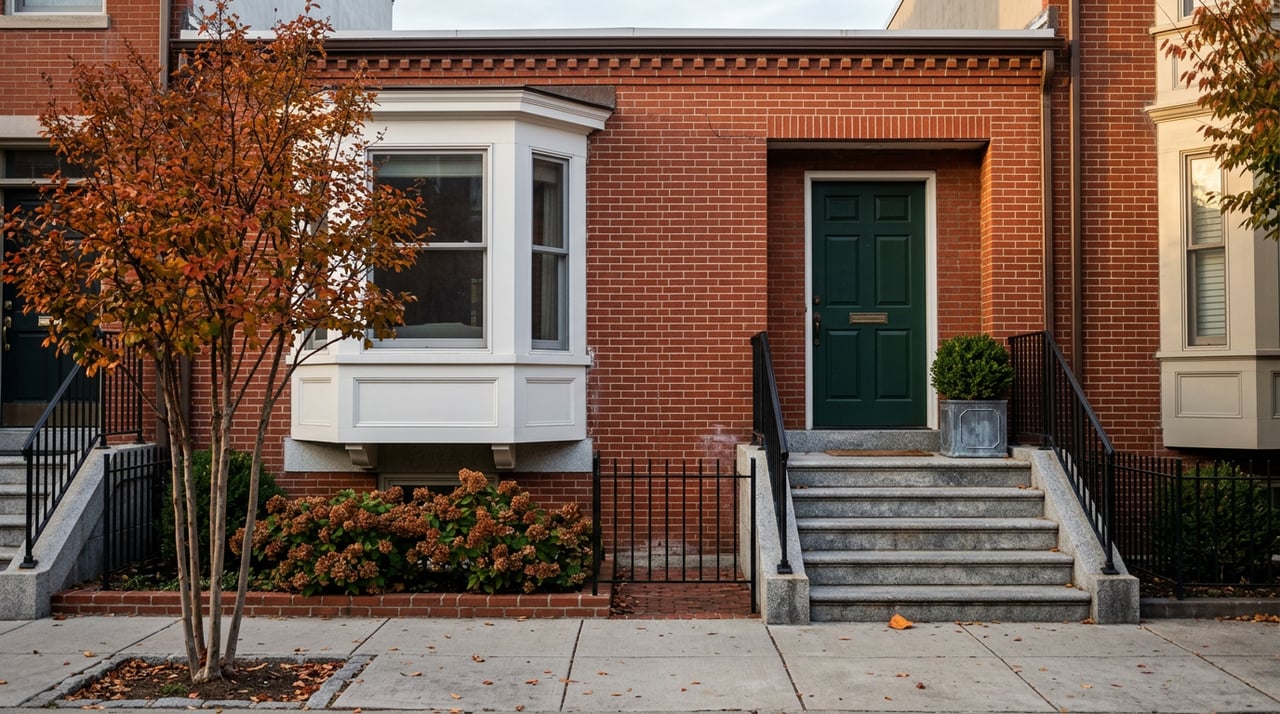
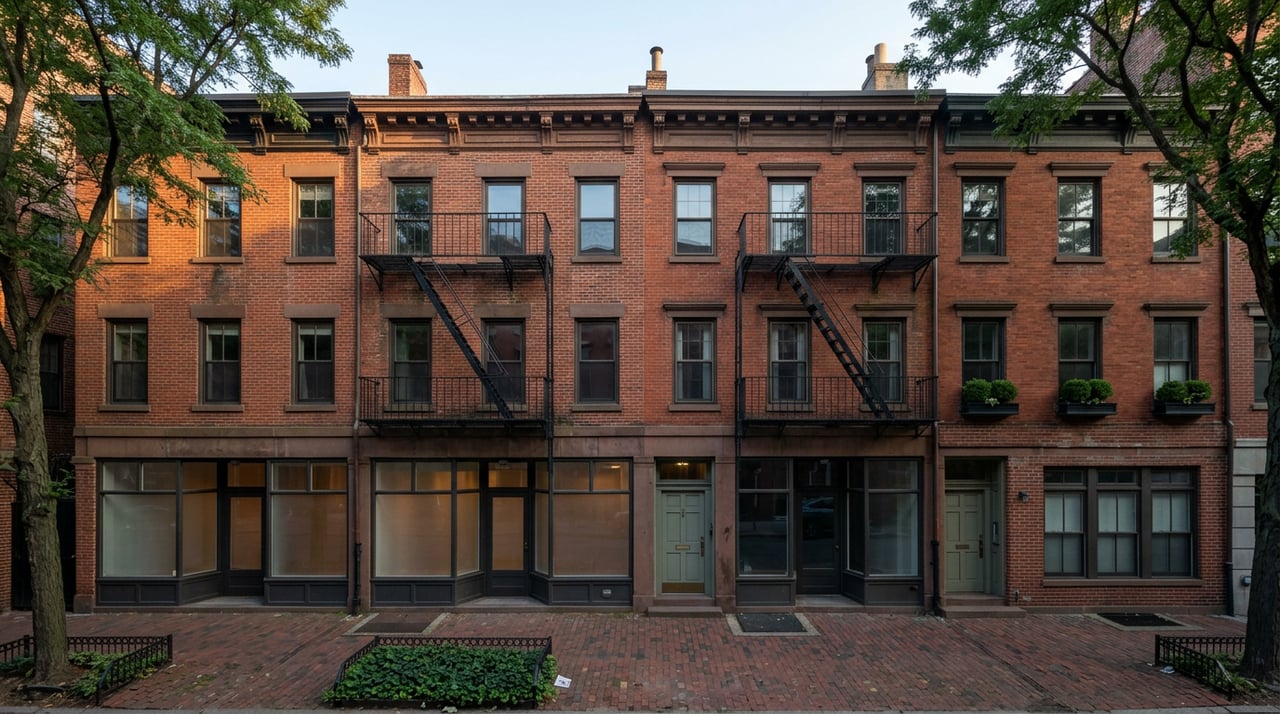
South End streetscapes are defined by Victorian-era rowhouses, ironwork, gardens, and pockets of converted industrial lofts. Interiors often feature period details like fireplaces, high ceilings, and original trim alongside renovated kitchens and baths. Exterior changes usually require historic review, and masonry or window work can be specialized.
Back Bay blends historic brownstones with mid- to high-rise living near major retail and cultural anchors. The setting can feel more formal with continuous facades and avenue-style streets, plus greater access to full-service buildings with amenities.
Across both neighborhoods, older properties may require masonry, window, roof, or HVAC work over time. These projects influence HOA fees and the likelihood of special assessments. Buyers who appreciate historic charm should budget for preservation-grade materials and longer approval timelines for exterior work.
Which neighborhood fits you?
Use these personas to map your priorities to the right buildings and blocks.
Full-service urban executive
- Priorities: concierge or doorman, fitness center, secure parking, minimal stairs, proximity to the core business and cultural districts.
- Likely fit: Back Bay towers or larger elevator buildings in either neighborhood.
Brownstone and period-detail enthusiast
- Priorities: historic interiors, garden or courtyard options, neighborhood dining, willingness to manage stairs.
- Likely fit: South End brownstones and townhouse-style condos, with occasional options in Back Bay.
Young professional or couple
- Priorities: walkability to restaurants and transit, manageable HOA fees, solid resale potential.
- Likely fit: Either neighborhood depending on price point, with the South End offering many renovated brownstones and lofts.
Downsizer or empty nester
- Priorities: elevator access, low-maintenance services, predictable monthly costs, central location near culture and healthcare.
- Likely fit: Back Bay full-service buildings or elevator-served South End midrises.
Investor or second-home buyer
- Priorities: rental rules, parking, ease of resale, building financials.
- Likely fit: Back Bay may command higher rents in some tiers; both neighborhoods can perform well with the right association policies and condition.
A practical decision checklist
Work through this list to move from browsing to clarity:
- Define budget and carrying costs. Include HOA fees, utilities, parking, and property taxes alongside your mortgage.
- Choose your size and type. Decide if you need a small, mid-size, or large unit, and whether you prefer brownstone charm or modern tower convenience.
- Set parking and elevator requirements. If either is non-negotiable, filter your search to buildings that match.
- Clarify service level. Are you seeking a concierge, security, gym, or roof deck? Or would you trade amenities for lower monthly fees?
- Review HOA health. Ask for budget statements, reserve balances, and any planned projects or assessments.
- Assess renovation appetite. Historic exteriors and older systems can add cost and time. Ensure the building’s rules fit your plans.
- Model price per square foot correctly. Compare sold comps by size and building type, adjusting for parking, views, and renovations.
- Consider future resale. Elevator access and parking often broaden your buyer pool.
Three typical comparisons to frame expectations
Use these scenario outlines to think about total monthly costs and trade-offs. Sub in current comps when you are ready to act.
Brownstone 1-bedroom walk-up vs tower 1-bedroom with concierge
- The brownstone may offer lower HOA fees and period detail but no elevator and limited parking. The tower unit likely has higher HOA fees due to staff and amenities, stronger accessibility, and on-site garage options.
South End loft conversion vs Back Bay brownstone 2-bedroom
- The loft may deliver open layouts and elevator access, possibly with moderate fees. The Back Bay brownstone could have classic finishes but more stairs and a different parking profile. Price per square foot will depend on size, finish, and whether parking is included.
Large South End penthouse vs mid-size Back Bay condo
- A rare South End penthouse with outdoor space can rival or exceed Back Bay price per square foot. A mid-size Back Bay condo in a full-service building might trade outdoor space for amenities and concierge convenience.
Next steps
If you want a confident comparison, start by pulling 6 to 12 months of sold comps in both neighborhoods and segment them by size and building type. Note HOA fees, parking status, elevator access, and any recent assessments. Then tour a short list of buildings to feel the service level and stair or elevator realities for yourself.
When you are ready, book a private walkthrough of your top options and a data-backed pricing review tailored to your timeline. If you want a disciplined search plan and white-glove coordination from first tour to closing, connect with Michelle Roloff to get started.
FAQs
What is the main difference in condo fees between South End and Back Bay?
- Full-service Back Bay towers often have higher fees due to concierge, amenities, and centralized systems, while small South End brownstones may have lower baseline fees but fewer services.
How likely is deeded parking with a South End brownstone condo?
- Many mid-block South End brownstones do not include deeded parking, while newer developments or certain blocks may offer deeded or garage options.
Are elevators common in Back Bay condos?
- Elevators are standard in full-service towers and many larger buildings, but historic brownstones in Back Bay, like in the South End, are often walk-ups.
How do historic district rules affect renovations?
- Exterior changes typically require review, which can lengthen timelines and increase costs for items like masonry, windows, and façades; interior work is usually more flexible but still constrained by building conditions.
How should I compare price per square foot across the two neighborhoods?
- Use recent sold comps, control for size and building type, and adjust for parking, views, renovations, and included utilities to avoid misleading comparisons.