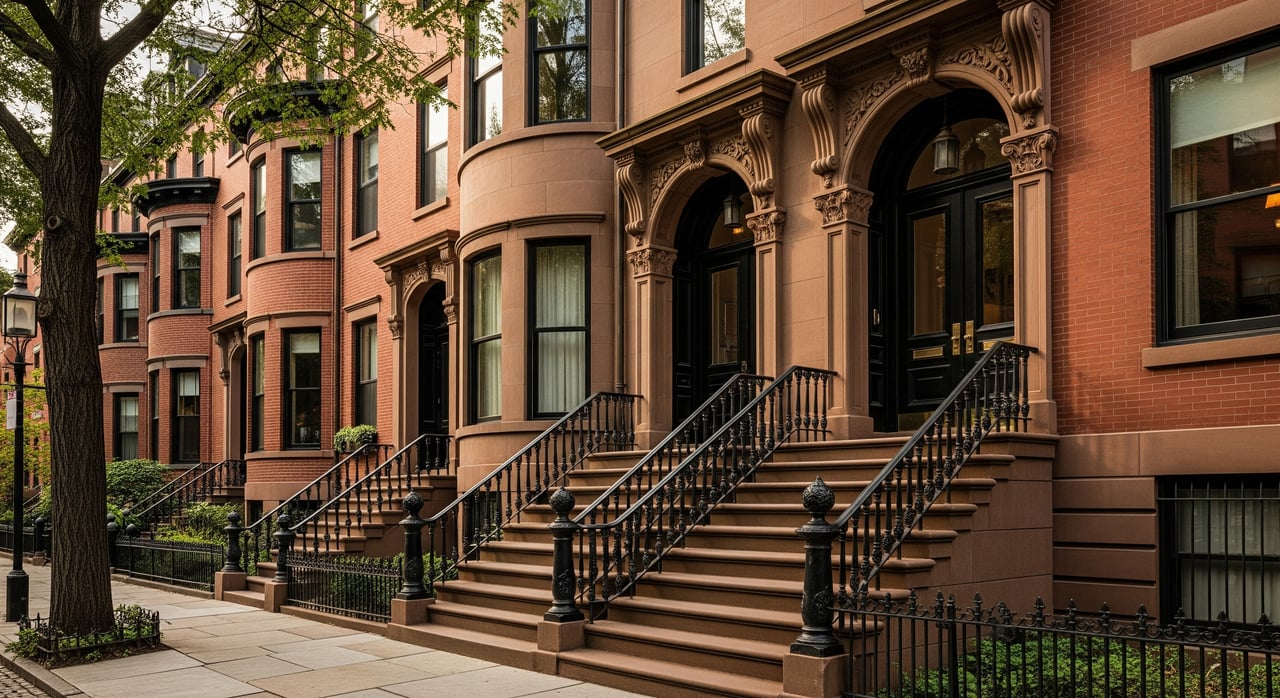
Shopping in Back Bay and seeing listings call the same building a brownstone in one place and a rowhouse in another? You are not alone. In a historic neighborhood with strict preservation rules, small distinctions in materials and layout can shape your daily routine, renovation options, and resale value. This guide breaks down what those terms mean in Back Bay, how the buildings live, what to expect from HOAs, and what to check before you bid. Let’s dive in.
What “brownstone” and “rowhouse” mean in Back Bay
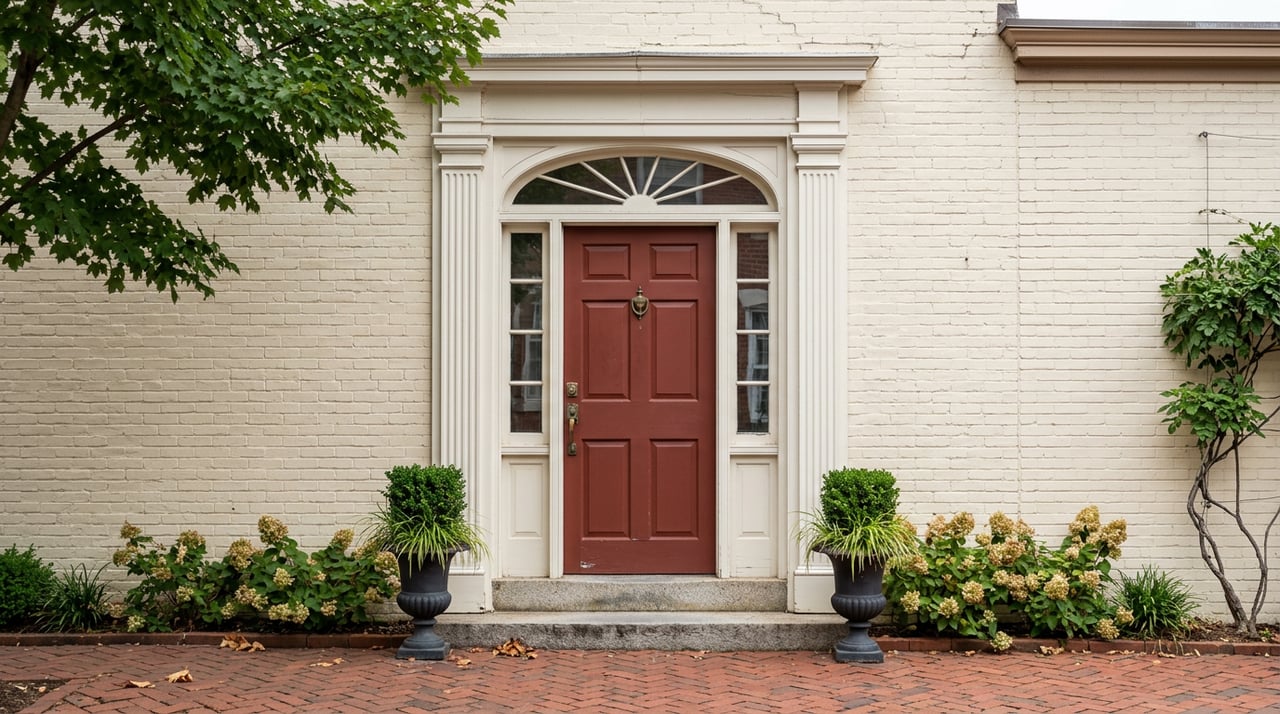
In Back Bay, people use brownstone and rowhouse interchangeably, but the core difference is the facade material and its upkeep. A brownstone typically has a brown or reddish sandstone facade that needs stone-specific repairs. A brick rowhouse presents a brick facade that calls for repointing and careful flashing maintenance.
Both building types share a narrow, vertical form with multiple floors, a raised stoop and parlor level, and upper floors for bedrooms. Many were built as single-family homes and later converted to multi-unit condos. The practical takeaway: your lifestyle and renovation path are influenced by material maintenance, vertical layouts, and historic-district oversight more than by the label alone.
Back Bay context that shapes your decision
Back Bay is a 19th-century, largely Victorian-era neighborhood built on filled tidal flats. Strict historic-district rules, narrow lot widths, and a high water table affect what you can change, how you renovate, and the costs and timelines involved. Exterior alterations that face a public way are typically reviewed by the Boston Landmarks Commission for the Back Bay Architectural District, and structural or system work requires City of Boston permits.
These realities matter when you buy and own. Expect vertical living with lots of stairs, limited parking, and older mechanical systems that may need upgrades. Renovations often involve specialized trades, phased permitting, and coordination with preservation reviewers.
Materials and maintenance: brownstone vs brick
The facade material drives maintenance methods and what a historic reviewer will allow.
- Brownstone facades: Sandstone weathers and can be more vulnerable to moisture if neglected. Repairs often involve stone patching, mortar matching, and conservation techniques suited to sandstone.
- Brick facades: Brick buildings require repointing with compatible mortar, careful lintel and flashing work, and occasional brick replacement.
In both cases, matching original materials and joint profiles is common. Masonry work is a frequent source of capital projects and special assessments in condo buildings, so it is wise to review the association’s reserve plans and recent exterior reports before you buy.
Layouts and everyday living
Most Back Bay townhouses share a stacked plan within a narrow footprint, often 18 to 25 feet wide. You usually enter at a raised stoop to the parlor level with high ceilings and tall windows, while the garden or lower level may hold a secondary entrance, mechanicals, laundry, or a potential office or guest suite. Upper floors hold bedrooms and baths across two or three levels, and some attics have been converted.
This vertical circulation shapes daily life. Many original buildings lack elevators. Adding one is possible but complex, with structural work and historic review. If you prefer fewer stairs, look for condo conversions that create floor-through units on a single level, or buildings with modernized vertical access.
Interior details and renovation implications
Buyers prize high ceilings, moldings, fireplaces, original staircases, and parquet or wide-plank floors. These features are part of the charm and value, yet they can limit how far you open walls or cut new shafts or stairwells. If you plan a significant reconfiguration, expect detailed engineering, preservation-friendly methods, and longer timelines.
Garden levels, basements, and water
Back Bay’s landfill history means a higher water table. Garden levels often benefit from waterproofing, sump pumps, and a careful eye on drainage. If you intend to finish or use basement space, budget for professional waterproofing and confirm past water intrusion history during inspections.
Ownership forms and HOA dynamics
You will see three common ownership forms: fee simple single-family townhouses, condominiums, and investor-owned rental buildings. In central Back Bay, many properties were converted to condos under Massachusetts law.
In a condo, the association typically manages common elements like the roof, exterior masonry, stoops, foundations, elevators, and shared mechanicals. Your pre-purchase review should include the master deed or declaration, bylaws, rules, budgets, bank statements, reserve studies, meeting minutes, and building insurance details.
- Expect periodic capital projects. Masonry, roof, and foundation work are common in older buildings and can lead to special assessments.
- Know the house rules. Alteration restrictions, short-term rental limits, pet rules, and subletting policies can impact how you use the home.
- Understand board dynamics. Smaller associations may be volunteer-run with informal systems. Larger buildings often use professional management and have higher fees. Ask about litigation, deferred maintenance, and any open items with the historic district.
Daily-living factors to weigh
Parking and transportation
Off-street parking is scarce. Some homes have small garages or lifts, but many residents rely on resident-permit street parking or forgo a car. Proximity to MBTA stations and walkable access to shops and restaurants can offset limited parking for many buyers.
Stairs, elevators, and accessibility
Most brownstones and rowhouses are stair-driven. Adding an elevator is a major project that requires structural modifications and review. If you need easier access, focus on conversions with elevators or on homes with layouts that minimize daily stair use.
Systems, energy, and windows
Older buildings may have outdated plumbing, legacy wiring, and older boilers or furnaces. Upgrading to central HVAC, modern electrical service, and efficient hot water often involves invasive work. Historic guidelines can influence window replacements and encourage repair or historically accurate profiles. High ceilings can improve comfort but may increase heating costs without modern insulation and zoning.
Storage, laundry, and interior conveniences
In-unit laundry is often a retrofit. Storage tends to live in basements or smaller closets. Smart remodels reallocate space for closets, laundry rooms, and utility areas, but these changes must respect structural limits and, in condos, any rules about plumbing stacks and common elements.
Flood risk and insurance
Basement dampness and infiltration are common on filled land. Sump pumps, perimeter drains, and waterproofing are standard investments. Insurance terms can be influenced by basement use and building elevation, so discuss coverage details with your agent during due diligence.
Renovation: process, scope, and timeline
If you plan changes, align your steps early.
- Start with governance. Review condo rules to understand alteration approvals and common-element constraints.
- Coordinate with preservation reviewers. Exterior changes facing public ways usually require review by the Back Bay Architectural District and the Boston Landmarks Commission.
- Permit smartly. Structural, mechanical, plumbing, and electrical work require City of Boston permits. Engage an architect or engineer for structural items.
- Hire the right team. Contractors with historic masonry, interior retrofit, and Boston permitting experience help keep surprises in check.
Common scopes include masonry repointing and stone repair; cellar waterproofing and drainage; systems upgrades to HVAC, electrical, and hot water; and complex items like adding elevators or cutting new openings. Historic windows are often repairable, and replacements typically need to match original sightlines. Expect hazardous materials like lead paint or asbestos in older buildings, which add cost and time for abatement.
Timelines trend longer than modern construction because of specialized trades, review steps, and unforeseen conditions. Modest interior updates can take months. Full structural and systems overhauls that include historic approvals can run many months to a year or more. Plan for a contingency budget, often 10 to 20 percent or higher, to handle hidden conditions.
Resale: what buyers reward in Back Bay
Back Bay buyers value a balanced mix of preserved detail and practical updates. Features that help resale include modernized mechanicals, an updated kitchen and baths, and any private outdoor space. Parking is rare and commands a premium. Elevator access in multi-story units broadens your buyer pool. Usable storage and clean waterproofing solutions also add confidence.
Red flags that can narrow demand include poorly maintained masonry or roof conditions, awkward vertical layouts with too many small rooms, a lack of in-unit laundry or modern conveniences, and signs of chronic water or structural issues. On the HOA side, high fees without clear reserves, pending litigation, and frequent special assessments can give buyers pause.
How to choose: a quick decision framework
Use these questions to focus your search:
- Material tolerance: Do you want the look of sandstone or the simplicity of brick maintenance? Is the association’s reserve plan strong enough to handle exterior work?
- Vertical living: How many daily stairs are workable? Would an elevator or a single-level floor-through be worth a premium to you?
- Parking plan: Do you need on-site parking, or will proximity to transit and walkability meet your needs?
- Systems and comfort: Will you prioritize units with updated HVAC and electrical, or plan an immediate upgrade?
- HOA readiness: Does the board have a reserve study, a maintenance plan, and a clear process for alterations and historic approvals?
What to review before you bid
Use this checklist to reduce surprises:
- Condo documents: master deed or declaration, bylaws, rules, budgets, bank statements, reserve study, meeting minutes, and building insurance policy.
- Exterior condition: recent reports on masonry, roof, cornices, gutters, and any planned capital work or special assessments.
- Structure and cellar: foundation, stair and column integrity, signs of water, prior remediation records, and any newly added openings.
- Systems: professional inspections of plumbing, electrical, boilers or furnaces, and ventilation.
- Historic constraints: which exterior features are regulated and what approvals will be required for your plans.
- Parking: confirm deeded spaces, easements, or separate ownership documents if applicable.
- Future work: obtain contractor quotes for planned renovations from teams experienced in Back Bay historic buildings.
The bottom line
In Back Bay, brownstones and brick rowhouses share the same urban DNA. The primary differences lie in facade materials and the maintenance and preservation approaches that come with them. Your best outcome comes from understanding the vertical layouts, HOA dynamics, renovation steps, and the features that drive resale.
If you want an experienced, data-driven partner to help you compare options, model budgets, and coordinate next steps, reach out to Michelle Roloff for a private strategy session tailored to your goals.
FAQs
What is the main difference between a brownstone and a brick rowhouse in Back Bay?
- Brownstones typically have sandstone facades that require stone-specific conservation, while brick rowhouses use brick that needs repointing and flashing maintenance; both share similar vertical layouts.
How do historic-district rules affect renovations in Back Bay?
- Exterior changes facing public ways often need review by the Back Bay Architectural District and Boston Landmarks Commission, and structural or systems work requires City of Boston permits.
What daily living tradeoffs should I expect in Back Bay townhouses?
- Expect multiple flights of stairs, limited off-street parking, and older systems that may need upgrades, balanced by high ceilings, historic details, and walkable access to amenities.
Are elevators common in Back Bay brownstones and rowhouses?
- No; elevators are not typical in original stock and adding one is possible but expensive, structurally complex, and subject to historic review and association approvals.
How important is parking for resale in Back Bay?
- Very important; off-street parking is scarce and commands a premium, though proximity to transit and neighborhood desirability can offset the lack of parking for some buyers.
What HOA documents should I review before buying a Back Bay condo?
- Review the master deed or declaration, bylaws, rules, budgets, bank statements, reserve study, meeting minutes, and building insurance, plus any records of special assessments or planned capital projects.
What are common maintenance items for these homes each year?
- Masonry and roof inspections, gutter and flashing upkeep, boiler servicing and controls checks, cellar waterproofing reviews, and window or stoop repairs as needed.