Ever wonder why two similar Boston condos can have very different monthly fees? If you are shopping in South Boston, you will see a wide range of costs and inclusions. It can be confusing, especially when some buildings list heat or parking in the fee and others do not. This guide breaks down what fees typically cover, how to compare them apples to apples, and what to check before you buy so you can choose a home with confidence. Let’s dive in.
Boston condo fee basics
Building types affect fees
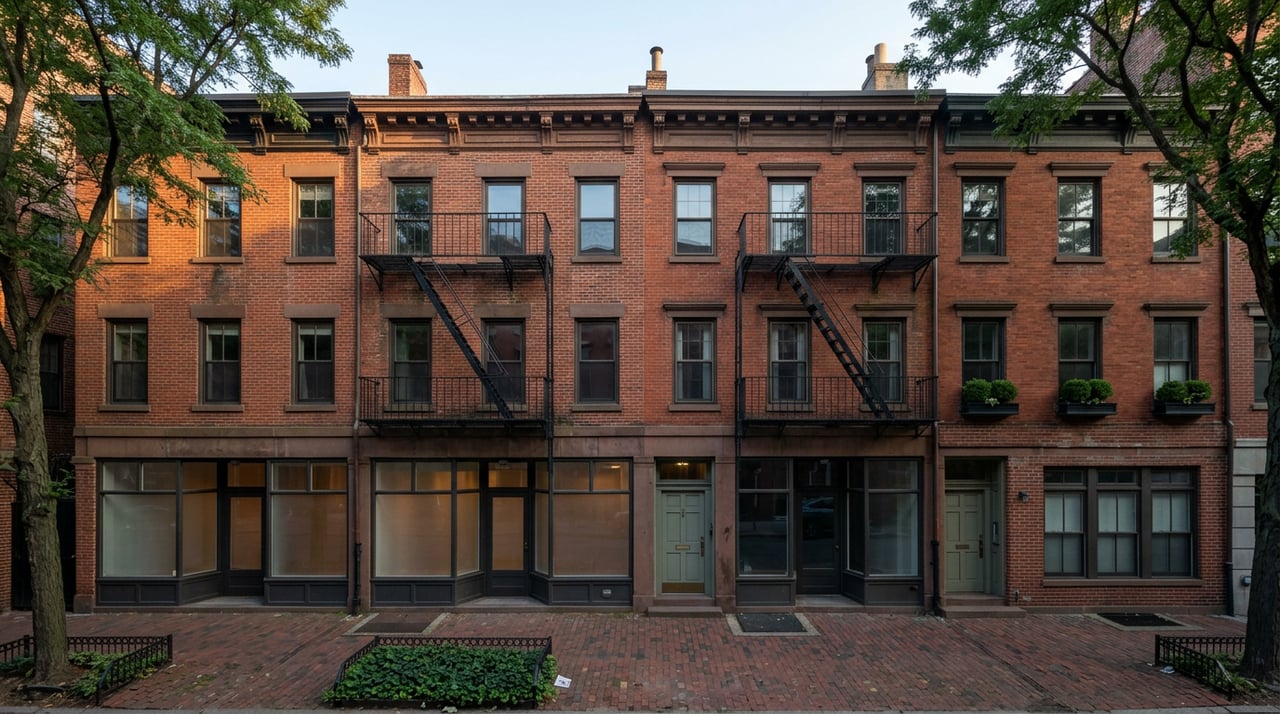
In South Boston, building style and age drive much of the fee. Converted brownstones and small walk-ups often have lower fees because services are limited, but reserves may be thin and special assessments more likely. Mid-rise postwar buildings often share central systems like boilers and elevators, so fees reflect those recurring costs. Newer high-rise or amenity buildings typically carry higher fees that include concierge services, gyms, pools, garages, and complex mechanical systems.
Local climate and location costs
Boston winters add line items for snow removal, sanding, and boiler maintenance. Buildings near the waterfront or exposed to salt air may need more exterior maintenance over time, which can increase capital needs. These local conditions show up in both annual operating budgets and long-term reserve planning.
Parking and storage impact
Off-street parking is scarce in South Boston. Some buildings include a deeded spot in the condo fee, others charge separately or require you to rent nearby. Storage, bike rooms, and roof decks can also influence the monthly number.
Governance and approvals
Massachusetts condominiums operate under Chapter 183A and each association’s master deed, declaration, and bylaws. If you plan to use FHA or VA financing, expect lenders and insurers to review the association’s budget, reserves, owner-occupancy, and any pending litigation as part of the project approval process.
What condo fees include
Operating expenses
Monthly fees typically cover shared building costs. You will often see items like a master insurance policy for the structure and common areas, electricity for hallways and exteriors, and water or sewer for common systems. In older Boston buildings with central boilers, heat and hot water may be included for all units, while in others they apply only to common areas. Trash, recycling, elevator service, cleaning, snow removal, and basic landscaping are common inclusions.
Staff and management
Fees can include wages for on-site staff such as a superintendent or concierge. Many associations hire a management company for accounting, collections, and vendor oversight. Payroll taxes and benefits for any employees also flow through the budget.
Admin and insurance
Expect professional fees for accounting and legal support, plus insurance beyond the master policy such as fidelity bonds and directors and officers coverage. Administrative costs like bank fees and meeting expenses are also common.
Reserves and studies
Healthy associations contribute to a reserve fund to replace major components like roofs, boilers, windows, masonry, elevators, and garages. A current reserve study outlines life cycles and replacement costs. The presence and recency of a reserve study is a key indicator of fiscal planning and helps reduce the need for surprise special assessments.
Repairs and maintenance
Budgets usually include routine repairs and preventive maintenance contracts for core systems like boilers, elevators, HVAC, and pest control. These items keep the building running and can reduce bigger repairs later.
Amenities and extras
Amenity-rich buildings add costs for fitness centers, pools, community rooms, roof decks, bike storage, security systems, and concierge services. These features raise ongoing operating expenses and capital replacement needs, which you will see reflected in the fee.
What fees rarely include
Condo fees usually do not include your interior unit repairs or personal property, property taxes, your HO-6 policy, mortgage costs, or utilities that are separately metered to your unit such as electricity, cable, or internet. Always verify what is included for the specific building.
How to compare fees
Fee per square foot
A quick way to compare fees is to divide the monthly fee by the unit’s square footage. For example, a 900 square foot condo with a 900 dollar monthly fee equals 1.00 dollar per square foot per month. This metric is helpful when you are comparing similarly sized homes.
Adjust for inclusions
To make a true comparison, adjust for what each fee covers. Add your estimated monthly costs for any utilities that are not included, add parking if you would need to rent it separately, and subtract the value of amenities you would otherwise pay for, like a gym membership. The result is your effective monthly cost.
Normalize costs
Divide the effective monthly cost by the unit’s square footage to get an effective fee per square foot. This is a strong single metric for comparing total recurring costs across buildings.
Factor capital risk
Low fees can sometimes mean underfunded reserves. If reserves are minimal or no recent reserve study exists, consider a risk premium for potential special assessments. Ask for the reserve balance and the most recent reserve study, and note how reserves compare to the annual budget.
Quick comparison example
- Unit A: 1,000 sqft, fee 800 dollars, includes heat, hot water, and water, with funded reserves and limited amenities. Likely lower effective total.
- Unit B: 1,000 sqft, fee 1,200 dollars, includes gym, concierge, and parking. Higher fee but covers services you might otherwise pay for separately.
Choose the package that aligns with your lifestyle, cash flow, and financing plan.
Due diligence checklist
Documents to request
- Most recent annual budget and the last 3 years of budgets versus actuals.
- Current profit and loss statement and balance sheet.
- Reserve study and current reserve fund balance.
- Board or association meeting minutes for the last 12 to 36 months.
- Master insurance declarations page and deductible details.
- Master deed, declaration, bylaws, rules, and house regulations.
- Any pending litigation, liens, or foreclosures tied to the association.
- Parking, storage, and other fee schedules.
- Property management agreement and major vendor contracts and end dates.
- Owner occupancy ratio and investor share.
Questions to ask
- Is the master policy bare walls or all-in, and how does that affect interior coverage?
- What is the insurance deductible and how is it allocated after a claim?
- Are any special assessments planned, and what projects are upcoming?
- When was the last reserve study and how does funding compare to the recommendation?
- Which utilities are included and which are submetered to the unit?
- What percentage of owners are delinquent on fees?
- Are there open permits, code violations, or unresolved building defects?
- Is the project eligible for FHA or VA financing, and if not, why?
Practical buyer tactics
- Schedule an inspection that includes common areas such as the roof, boiler room, and garage if access is allowed.
- Make your offer contingent on a review of association documents and the condo questionnaire.
- If a major project is pending, consider negotiating a credit or escrow to offset a likely assessment.
- Consult a Massachusetts real estate attorney experienced with condominiums for document review and closing strategy.
Trade-offs and red flags
Trade-offs to weigh
Low fees can be appealing but may signal deferred maintenance or low reserves. That can shift future costs to owners through assessments. Higher fees usually reflect more services, predictable maintenance, and amenities, but come with higher replacement and operating costs in the long run. Older centrally heated buildings may include heat yet face upcoming mechanical replacements. Waterfront exposure can mean higher exterior upkeep over time.
Red flags to watch
Be cautious if there is no recent reserve study, low reserve balances, or a history of frequent assessments. Other warning signs include high delinquencies, budget deficits, pending litigation, or visible deferred maintenance such as water stains or elevator issues. Unusually large insurance deductibles or gaps in coverage also warrant attention.
Financing and insurance impacts
Lenders and mortgage insurers review association financials, reserves, litigation, and owner-occupancy. Tight finances can complicate loan approval, especially for FHA or VA. The master policy’s coverage and deductible will influence your HO-6 policy and potential out-of-pocket exposure after a loss.
Next steps
When you understand what Boston condo fees cover and how to compare them, you can evaluate value beyond the headline number. Focus on what is included, the building’s reserve health, and the real monthly cost for your lifestyle. If you want a clear, data-driven view of specific South Boston buildings, reach out for a one-on-one review of documents and costs.
Ready to evaluate a condo’s true monthly cost and risk profile? Schedule a private strategy session with Michelle Roloff to review fees, reserves, and fit across your top buildings.
FAQs
What do South Boston condo fees usually cover?
- Most cover a master insurance policy, common utilities, cleaning, trash, snow removal, and maintenance, with staff, amenities, and some utilities varying by building.
How do I compare fees between a brownstone and a high-rise?
- Calculate fee per square foot, adjust for included utilities and parking, subtract amenity costs you would otherwise pay, then compare effective cost per square foot.
Do Boston condo fees include property taxes for my unit?
- No. Property taxes are paid directly by each owner and are not included in the monthly condo fee.
Why do reserves and reserve studies matter for buyers?
- Strong reserves and a current study reduce the chance of surprise special assessments and signal good long-term planning for major building components.
Can a building’s finances affect my mortgage approval?
- Yes. Lenders and insurers review budgets, reserves, litigation, and owner-occupancy, which can impact eligibility for conventional, FHA, or VA loans.